Modular carry systems · B2B programmes
Modular backpack programmes built on one fixed interface
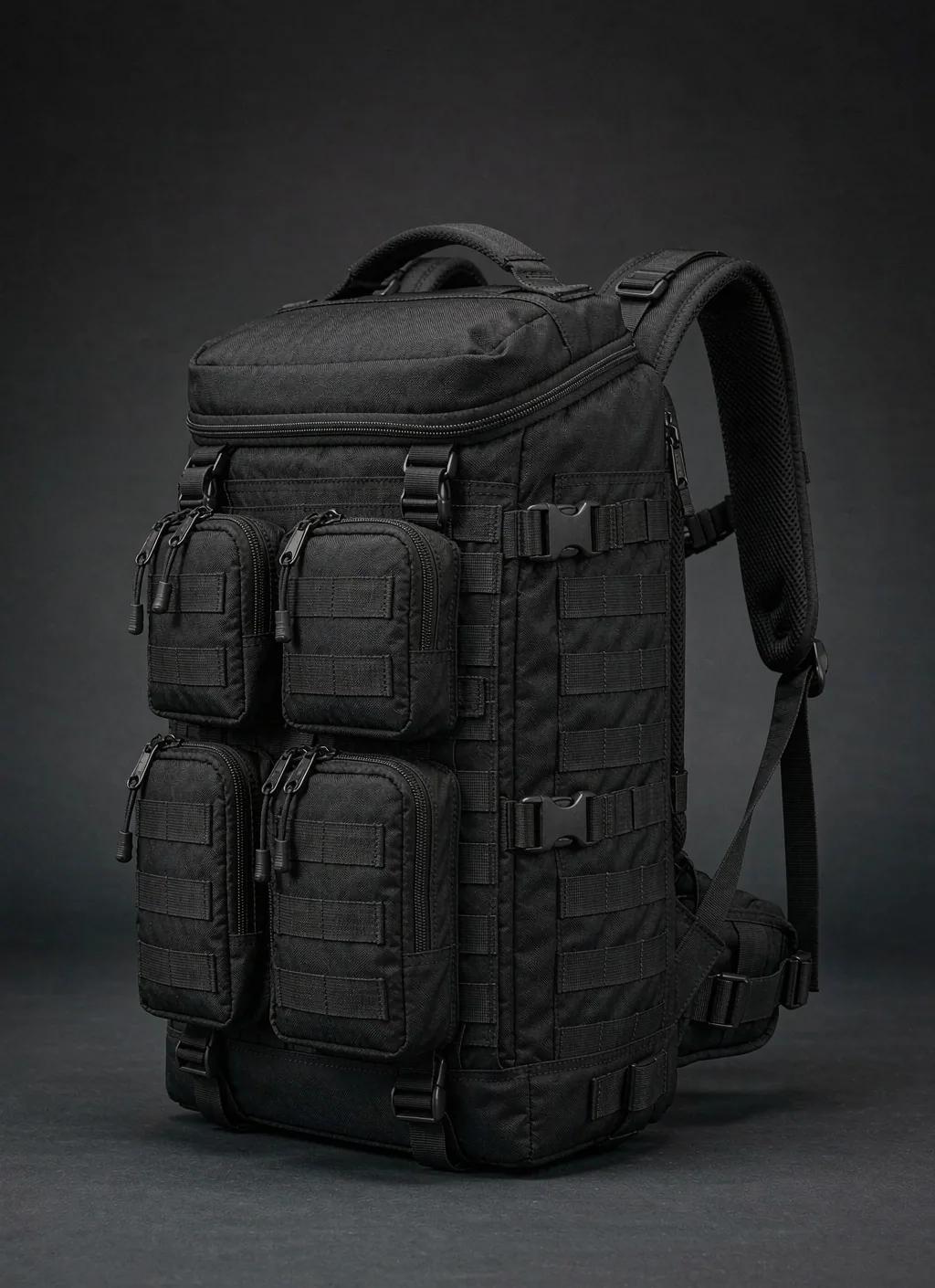
A modular backpack programme is a range built around a single published attachment grid, so every pouch and module stays interchangeable across future production runs. Our production team works to 25 mm webbing with a 38 mm channel interval and a 50 mm horizontal repeat; MOQ is 500 units per colourway, sampling takes 6-10 working days and bulk production runs 35-50 days. This page covers civilian load carriage only — hiking, commuting, work tools, travel and first aid — and makes no claim about weapon carriage, protective armour or any military certification.
What makes a carry system modular
Modularity is not a pocket count. It is an interface contract: a published grid geometry, a documented attachment method, and a change-control rule that keeps old modules working on new shells. When those three exist, a brand can extend a range without re-developing the carrier, and a buyer can replace one worn pouch instead of a whole bag.
Where the interface is left undefined, the opposite happens. Two pouches that look interchangeable behave differently, a material substitution quietly changes the channel clearance, and the installed base stops being an asset. That is why the interface drawing — not the rendering — is the document we version and sign.
Locked programme parameters
Every programme runs on the same published numbers. They are listed here so a brief can be costed without a round of clarification.
| Parameter | Value |
|---|---|
| Interface standard | 25 mm webbing, 38 mm channel interval, 50 mm horizontal repeat |
| MOQ | 500 units per colourway |
| Sampling | 6-10 working days (12-15 for complex builds) |
| Bulk production | 35-50 days after PP sample approval |
| Inspection | AQL 2.5, ISO 2859-1, level II, Critical 0 / Major 2.5 / Minor 4.0 |
| Payment | T/T 30/70 |
| Default term | FOB Xiamen (CIF or DAP on request) |
| Sampling fee | USD 50-150, refundable against the order |
| Tooling and screens | USD 300-2,500 depending on branding method |
| Sea / air / express | 25-35 days / 5-8 days / 3-5 days |
| Container planning | 20GP ≈ 28 CBM, 40HQ ≈ 68 CBM |
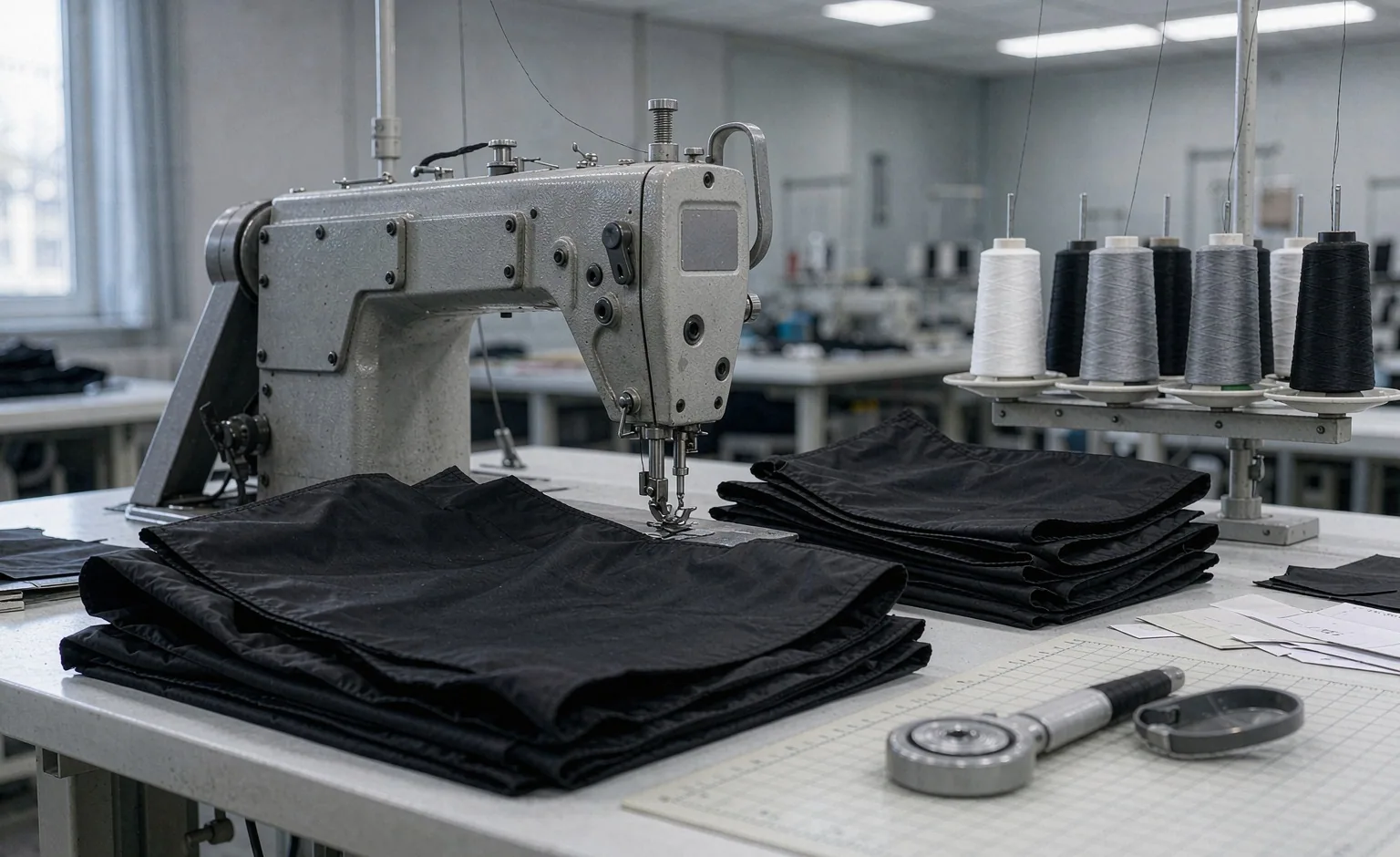
| Production base | 4,950 m² SGS-verified floor, 137 people, 7 lines, 149 machines |
| Monthly output | 200,000 units |
| Quote turnaround | 24-48 hours |
The ten system pages
Each page below is a complete reference for one part of the platform. Start with the system that matches your use case, then move to the programme page once the configuration is clear.
How a programme runs
- Brief and interface. Target volume, module list, grid geometry, destination market. Quote returned within 24-48 hours.
- Sampling. 6-10 working days, or 12-15 for moulded frames or custom hardware. Sampling fee USD 50-150, refundable against the order.
- Testing. Method, sample size and acceptance threshold agreed before production, not after.
- PP sample. The approved pre-production sample becomes the reference for bulk inspection and for every repeat order.
- Bulk and inspection. 35-50 days, inspected to AQL 2.5 under ISO 2859-1 at level II.
- Shipment. FOB Xiamen by default; sea 25-35 days, air 5-8 days, express 3-5 days.