MODULARBAGPRO

About

The team behind the interface

Modular bag programmes on this site are coordinated by QUANZHOU JUNYUAN BAGS through an SGS-verified production floor in Quanzhou, China. The founder has worked in bag production since 2004 and the company was established in 2014; today the work runs on a 4,950 m² SGS-verified floor with 137 people, 7 production lines and 149 machines at 200,000 units per month. MOQ is 500 units per colourway, sampling takes 6-10 working days and bulk production runs 35-50 days.
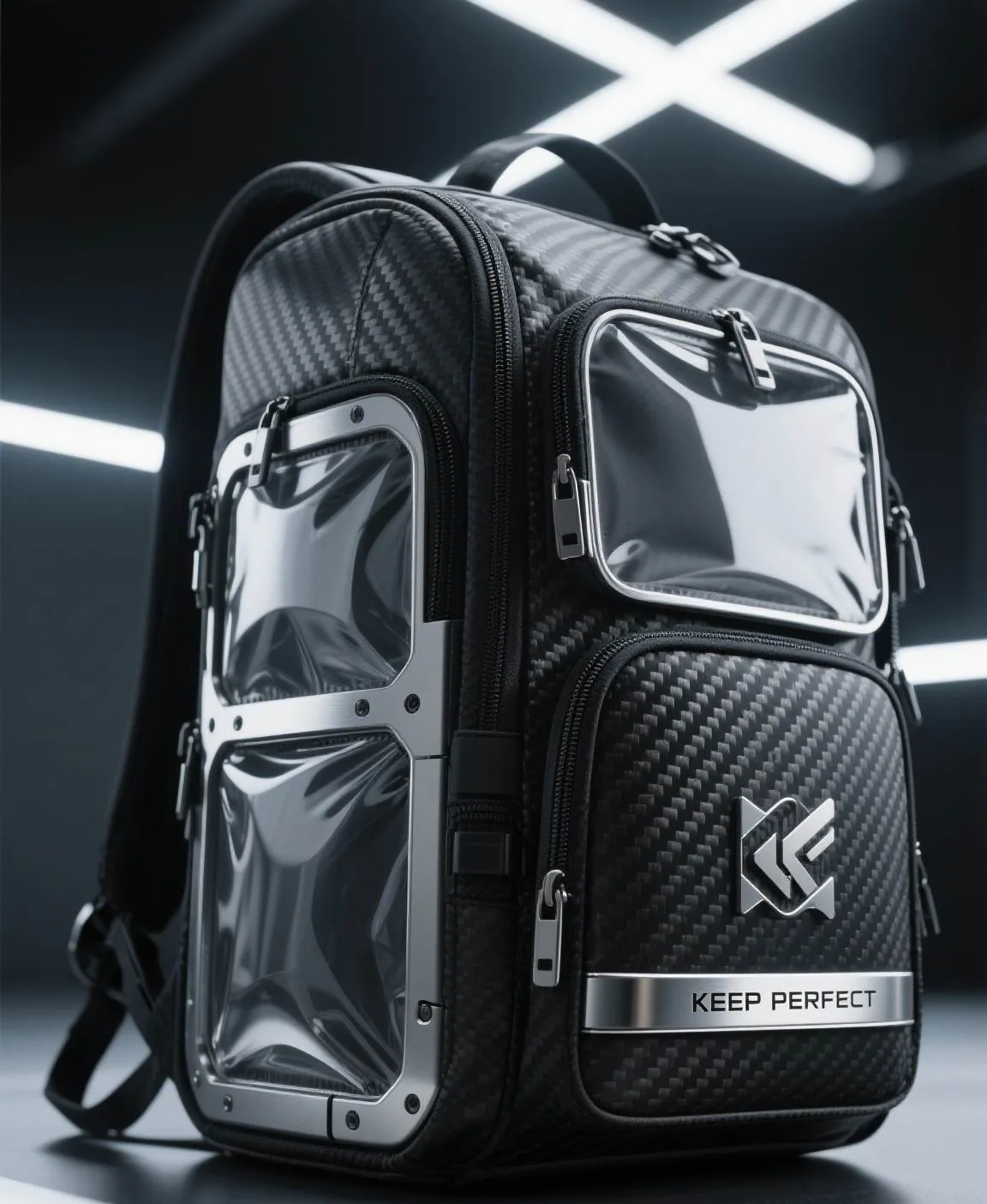
Dark modular backpack with attachment grid

How the work is organised

Our production team coordinates each programme end to end: interface definition, material and hardware sourcing, sampling, testing, PP sample approval, bulk production, inspection and shipment. Vetted partner facilities are used where a process is better done by a specialist — moulded patches, laser cutting, certain coatings — and every one of those processes is named in the specification so nothing is invisible at the point of approval.

That transparency matters more here than on a simple bag. Reinforcement layers, seam allowance, internal backing, thread specification and material substitution are all invisible in a finished photograph, and all of them decide whether a load-bearing attachment survives its service life.
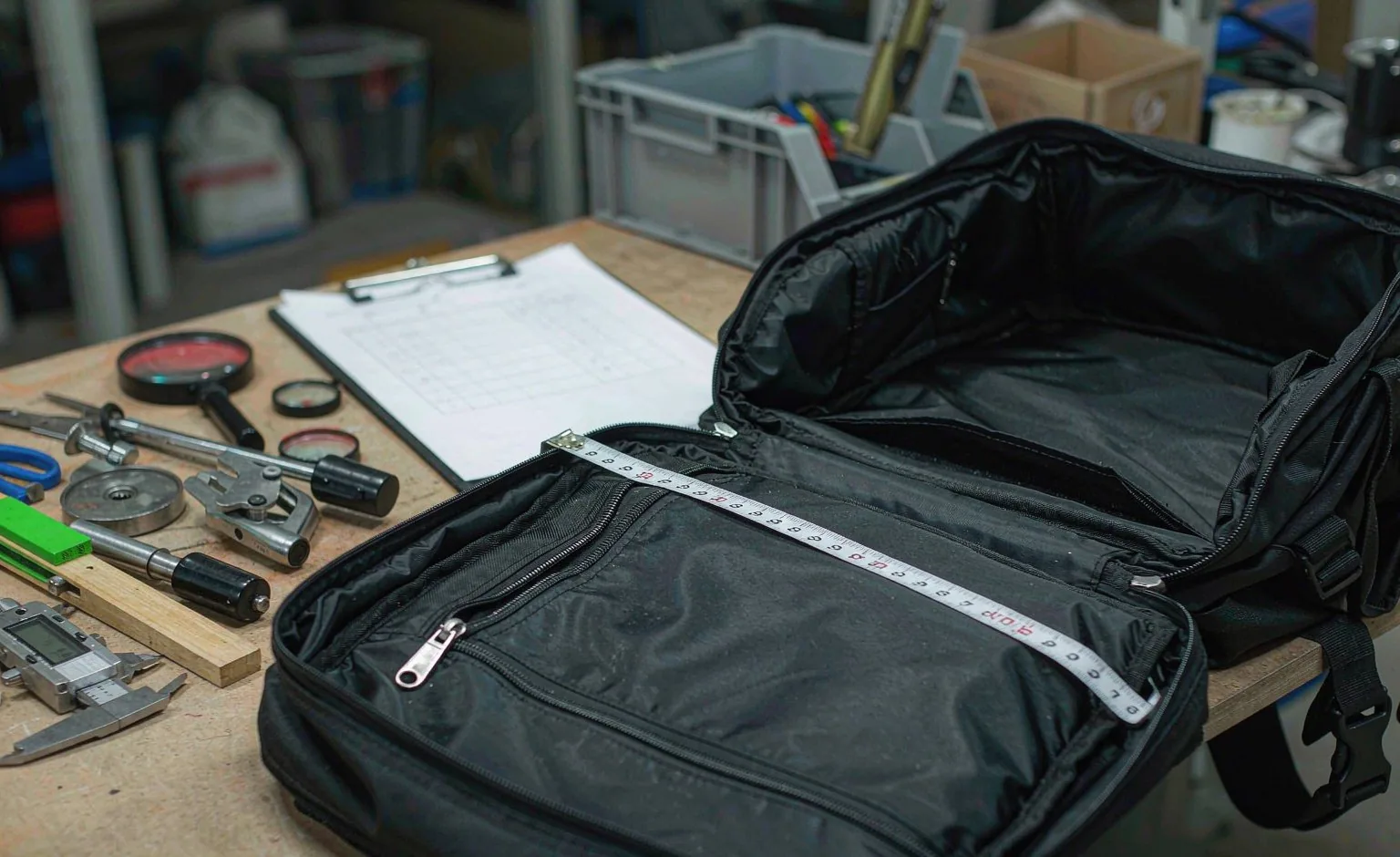
Quality inspection bench with measuring tools and a modular backpack
Bulk inspection is to AQL 2.5 under ISO 2859-1 at general inspection level II.

Entity and capability record

Entity and capability record
ItemValue
Legal entityQUANZHOU JUNYUAN COMMERCIAL AND TRADING CO., LTD
Trading name used on siteQUANZHOU JUNYUAN BAGS
Founder experience in bag productionsince 2004
Company established2014
Production floor4,950 m², SGS-verified
People137
Production lines7
Machines149
Monthly output200,000 units
MOQ500 units per colourway
Sampling6-10 working days (12-15 complex)
Bulk production35-50 days
InspectionAQL 2.5, ISO 2859-1 level II
PaymentT/T 30/70
Default termFOB Xiamen

The legal name above appears once, for identification. Everywhere else on this site the abbreviated name is used. Nothing here is a claim about weapon carriage, protective armour or any military certification; the entire range is civilian load carriage.

What the evidence looks like

A claim is only as good as the document behind it. For each programme we hold the specification revision, the sealed PP sample, the material and hardware records, and dated laboratory reports for any performance statement. Social compliance and management-system audits are scope-limited: they say something about a facility, not about a backpack.

  • Specification revision, signed before sampling starts
  • Interface control drawing with grid geometry and tolerances
  • Sealed pre-production sample held as the bulk reference
  • Dated third-party test reports tied to actual materials
  • AQL 2.5 inspection record with defect classification
  • Packing list reconciled to carton count and piece count
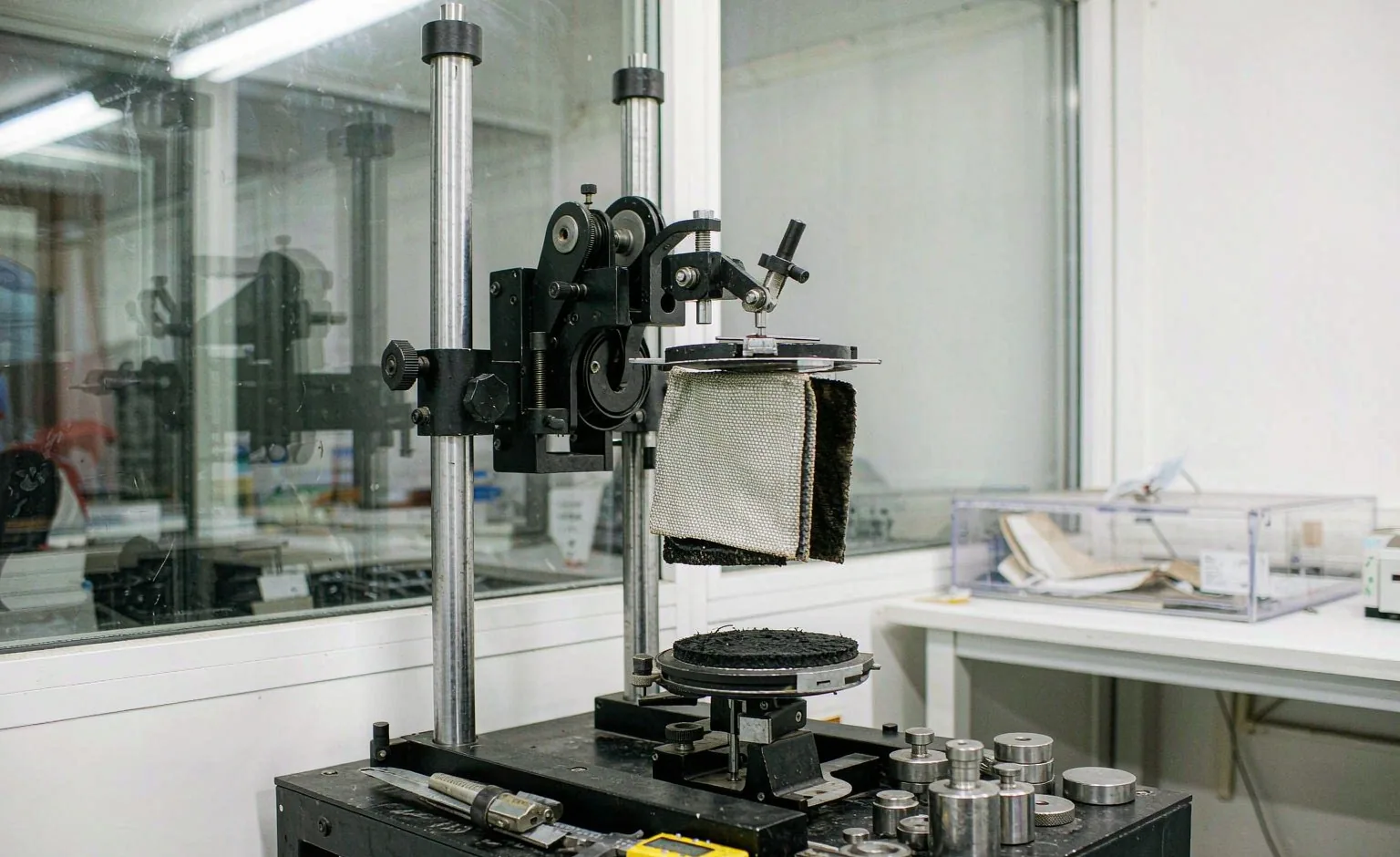
Abrasion and tear testing equipment in a textile laboratory

Frequently asked questions

Who coordinates these programmes?

Programmes are coordinated by QUANZHOU JUNYUAN BAGS, working through an SGS-verified production floor in Quanzhou. The founder has worked in bag production since 2004 and the company was established in 2014. Production runs on a 4,950 m² floor with 137 people, 7 lines and 149 machines at 200,000 units per month.

Who actually controls the production work?

Neither description is used here, because neither is accurate for how the work is organised. Programmes are run by our production team through vetted partner facilities and an SGS-verified production base. What matters for a buyer is who signs the specification, who controls the PP sample and who is accountable at inspection — and those are all one team.

What does SGS-verified mean in this context?

It refers to verification of the production floor against an agreed scope. A social compliance or management-system audit does not by itself prove the performance of a particular backpack, so product claims are always evidenced separately by dated laboratory test reports for the actual materials and construction.

Which standards appear in the specifications?

Specifications reference ISO 2859-1 for AQL sampling, ASTM D5034 for grab tensile, ASTM D3884 and ISO 12947 for abrasion, AATCC 127 for fabric water resistance, IEC 60529 for enclosure ratings on finished products, ISTA 3A for parcel transit, ASTM B117 for hardware corrosion, and REACH, California Prop 65, CPSIA and OEKO-TEX Standard 100 for substance control where the destination market requires them.

Can we visit the production floor?

Site visits to the production base can be arranged for qualified programmes, and a live production walkthrough can be scheduled remotely. Neither substitutes for the documented evidence — specification, PP sample, test reports and inspection records — that actually governs whether a bulk order is acceptable.

What is the minimum order and lead time?

MOQ is 500 units per colourway. Sampling takes 6-10 working days (12-15 for complex builds) and bulk production runs 35-50 days after PP sample approval. Sea freight is 25-35 days, air 5-8 days and express 3-5 days.

How is sample-to-bulk consistency controlled?

The approved PP sample is sealed and held as the reference. Material lots, hardware sources and trim colours are recorded against that sample, first-piece confirmation happens before the run, and in-process checks are taken at defined points. Repeat orders are matched against the same sealed sample rather than against a photograph.

Do you work with brands, importers and distributors equally?

Yes. The route differs only in how much of the interface is already defined. A brand with a tech pack moves straight to sampling; an importer without one starts at interface definition, where the grid geometry and module list are fixed before any costing is done.