MODULARBAGPRO

Services

From interface definition to shipped cartons

A modular bag programme runs through nine gates, and each one has a deliverable and a pass criterion. Sampling takes 6-10 working days, bulk production runs 35-50 days, inspection is to AQL 2.5 under ISO 2859-1 at level II, payment is T/T 30/70 and the default term is FOB Xiamen. Every stage below is evidenced by a document, not by an assurance.

The nine gates

Programme stages, deliverables and timing
StageDeliverableTiming
Interface definitionGrid geometry, tolerances, versioned control drawingBefore costing
Material and hardware sourcingFabric, coating, webbing, zips, buckles, frames2-5 days
SamplingPrototype build and revision rounds6-10 working days (12-15 complex)
Test planningMethod, sample size, threshold, laboratory agreedParallel to sampling
PP sampleSealed reference for bulk and for repeat ordersAfter approval
Bulk productionCutting, sewing, assembly, in-line checks35-50 days
InspectionAQL 2.5, ISO 2859-1 level II, Critical 0 / Major 2.5 / Minor 4.0Pre-shipment
Packing and documentationCartons, marks, packing list, export documentsParallel to inspection
ShipmentFOB Xiamen default; CIF or DAP on requestSea 25-35 / air 5-8 / express 3-5 days

The gates are in this order because each one makes the next cheaper. Settling the interface before costing removes the most expensive class of rework — pattern development reopened every time a channel dimension moves.
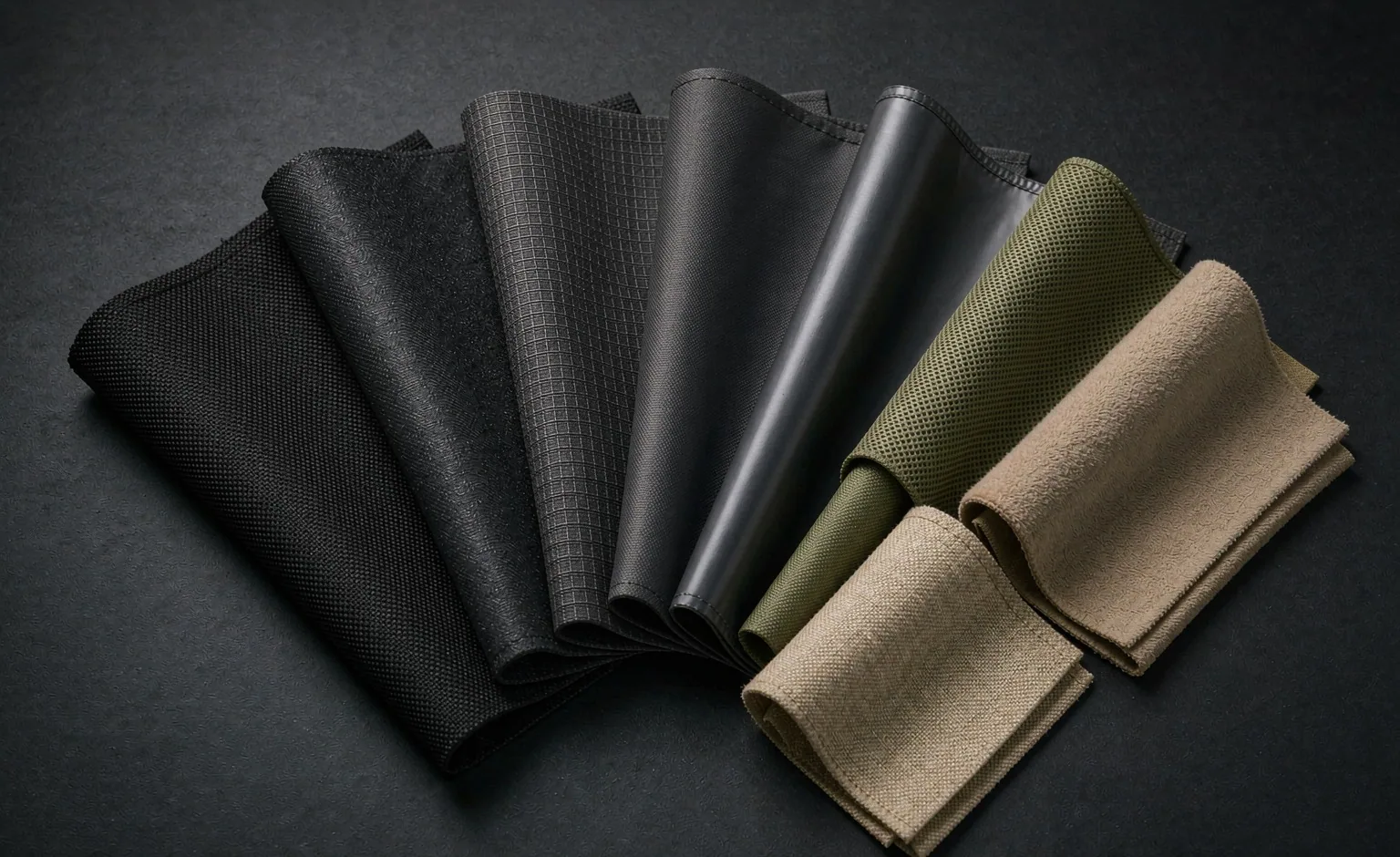
Fabric swatch fan with eight backpack materials

What is decided at each gate

At interface definition, the grid geometry and its tolerances are fixed and versioned. At sampling, fit, layout, colour and function are reviewed against the specification. At test planning, the method and the acceptance threshold are agreed — because a result without a pre-agreed threshold settles nothing. At PP approval, the sealed sample becomes the reference for everything that follows.

Selection rule: Do not approve a bulk order on the basis of a development sample; approve it against a pre-production sample built from the final materials, because material substitution between those two stages is the single most common source of bulk disappointment.
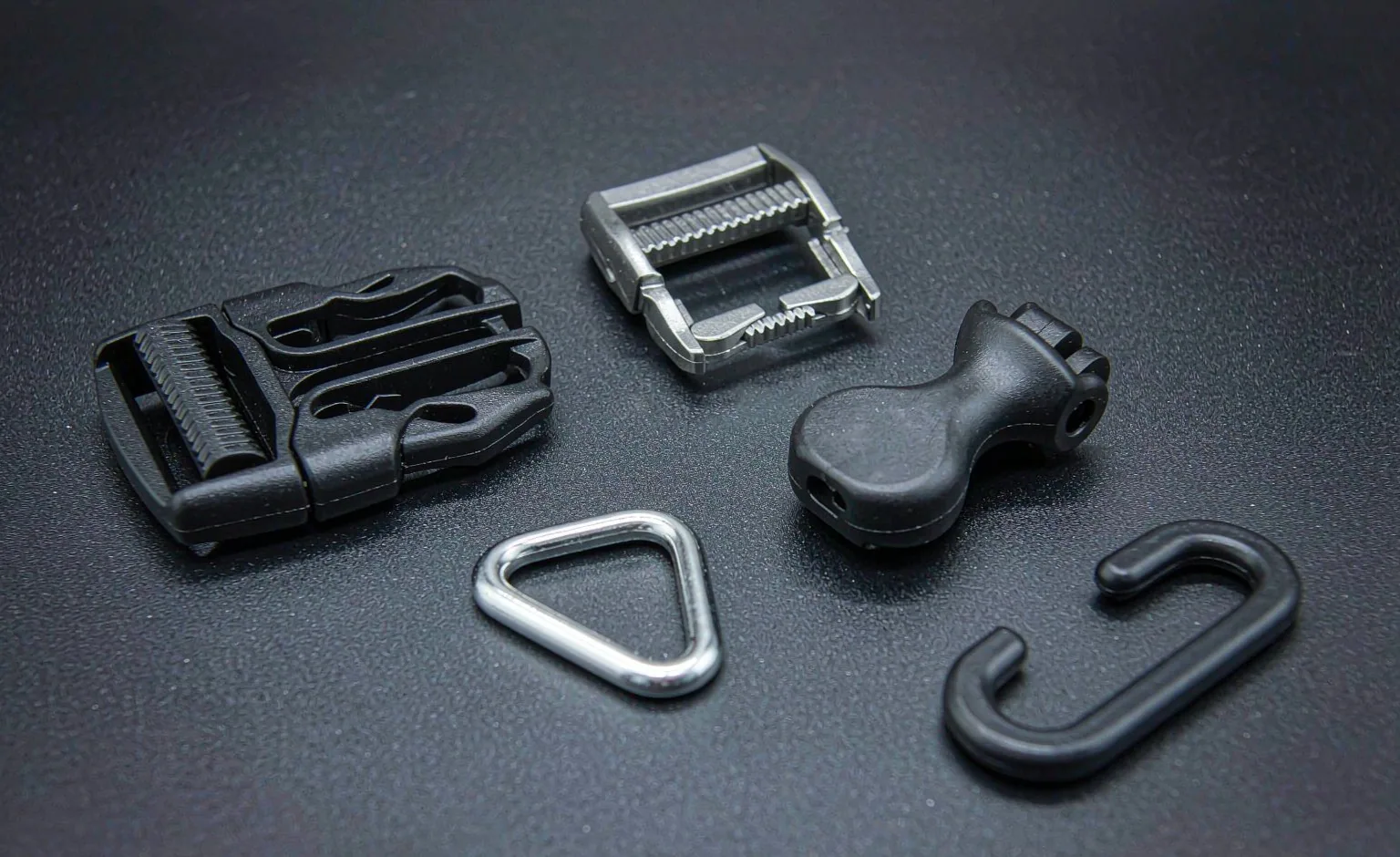
Backpack hardware: side-release buckle, ladder lock, cord lock, D-ring and G-hook

Frequently asked questions

What services are included in a programme?

Interface definition, material and hardware sourcing, sampling and revision rounds, test planning, PP sample approval, bulk production, AQL 2.5 inspection, packing and export documentation. Branding, packaging design support and spare-module planning are included where the brief calls for them.

How many sampling rounds are included?

The specification revision and the number of included rounds are agreed before sampling starts. Rounds beyond that are charged and, more importantly, they move the schedule — which is why the interface drawing is settled first.

Who owns the design and the tooling?

The brand owns the design. Tooling rights, exclusivity and change-control terms are confirmed in writing before development begins. Where tooling is paid for by the brand, that is recorded so a later change of production route does not become a dispute.

Can you work from an existing sample?

Yes. A reference sample is often the fastest route: it fixes fit and proportion immediately, and the work then focuses on adding or correcting the interface. Send the sample with a list of what must change and what must not.

How are performance claims evidenced?

By dated third-party laboratory reports tied to the actual materials and construction, with the method, sample size and acceptance threshold agreed before production. A visual inspection alone cannot substantiate a waterproof, load-bearing or abrasion claim.

What happens if bulk does not match the sample?

The sealed PP sample is the reference. Where bulk materially departs from it, the corrective action and the remedy are set out in the order terms, and the inspection record is the evidence used. That is also why the PP sample is sealed and held rather than photographed and discarded.

Can you support retail packaging requirements?

Yes: barcodes, GS1-compliant labelling where the brand holds a prefix, retail-ready packing, e-commerce shipper cartons, hangtags and care labels. Requirements are destination-market dependent and are confirmed with the retailer or broker before the packaging is specified.

Do you handle repeat orders differently?

Repeat orders are matched against the same sealed PP sample and the same recorded material and hardware sources. Consistency across repeat orders is the clearest test of whether a programme is actually under control, so the records are kept specifically to make that comparison possible.