Home › Field notes › Splitting 500 Units Across Colourways: Cost Impact and Workable Splits
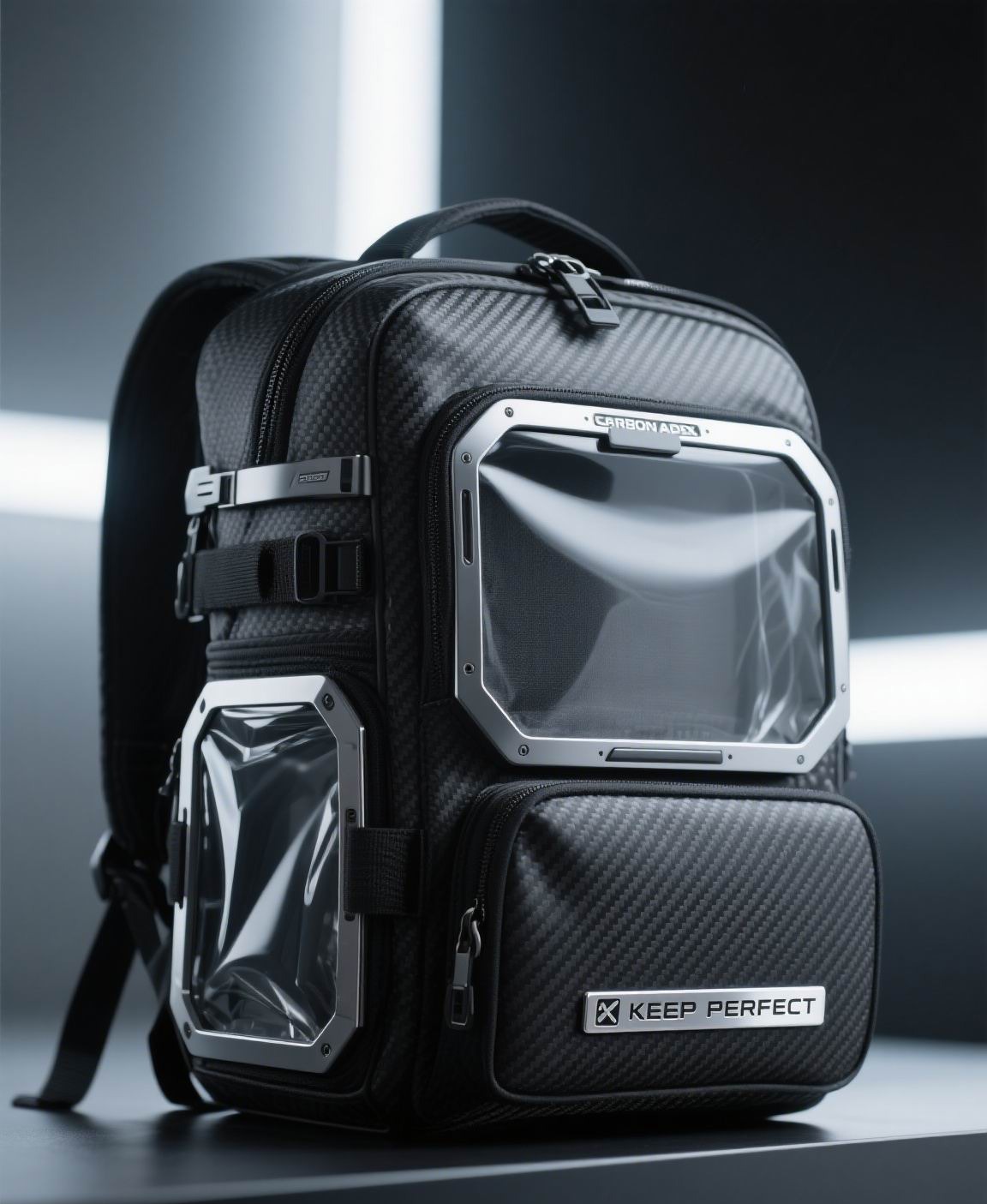
A minimum of 500 units can be divided across colourways, and the unit figure rises with every shade added, because a colour change is a production event rather than a free option. Each new shade brings its own fabric dye lot, its own trim lot, a machine setup, a separate cutting marker and its own inspection lot, and those are fixed costs spread across fewer pieces. Workable structures run from one shade at 500 through two shades at 260 plus 240 to three at 220, 160 and 120; sampling occupies 6-10 working days on any of them and the bulk run 35-50 days. This is general trade information, not legal or financial advice. Terms must be confirmed in the written contract.
Why the Minimum Sits at 500 per Reference, and Why Not Fewer
A minimum order quantity is not a policy preference; it is the point at which the fixed content of a production run becomes small enough per unit that the figure is worth quoting. Below it, the same fixed content is spread across fewer pieces and the unit price rises steeply, which is why a smaller quantity is not a cheaper order but a more expensive one per piece.
The fixed content has four parts. Line setup: a machine is threaded, tensioned, and its settings proven before the first acceptable piece appears, and that work is identical whether 500 units or 50 follow it. Cutting: a marker is made and laid, and the lay is cut, both of which take time that does not scale linearly with quantity. Material purchasing: cloth, webbing and hardware are bought at supplier minimums, not at the exact quantity needed. Quality: the inspection lot, the first-piece check and the pre-production sample are all per-reference activities.
The fourth part is the least visible and the most binding. Fabric is dyed in lots, and each lot carries a minimum quantity fixed by the dye house, typically far above what a very small order would consume. Hardware in a specific finish behaves the same way. A buyer ordering fewer pieces than the dye lot minimum pays for the whole lot anyway, which is the mechanical reason the minimum sits where it does rather than at a round number someone preferred.
There is also a yield argument. The first pieces off any line are the ones most likely to be wrong: settings are still being proven, operators are still learning the construction, and a certain number of pieces are consumed before the run stabilises. On a very small order that stabilisation content is a large share of the total; at 500 units it is a small one.
None of this is an argument against small first orders in principle. It is an argument for understanding what a small order costs and why, so the decision is made with the number in view. A buyer who wants to test a market has better options than shrinking the run, and those are set out further down.
Spec rule: Treat 500 units as the quantity at which line setup, cutting, dye lot minimums and inspection overhead become a small enough share of each piece that the unit figure is worth quoting, since going below it does not remove those costs but divides them fewer ways.
What One Additional Shade Actually Adds to a Run
A colourway reads as a single choice on a specification sheet and behaves as six separate events on the floor. Naming them makes the cost visible and makes the conversation about which ones to avoid, rather than about whether the surcharge is justified.
The first is the fabric dye lot. A second shade means a second lot at the dye house, with its own minimum, its own lead time and its own shade tolerance. Getting two shades to match each other across two lots is a different problem from matching one shade to a standard; the eye compares them side by side.
The second is the trim lot. Webbing, binding tape, zip tape, thread and elastic all have to be produced in the new shade. Each has a supplier minimum, and each has to be matched to the fabric rather than to a colour card, because the same nominal colour reads differently on polyester webbing and on a coated shell.
The third is machine setup. Thread is changed, tensions are re-proven, and where a contrasting thread is specified on one shade and a matching thread on another, the change is not simply a reel swap but a re-check of the seam. The fourth is the cutting marker: a second shade is cut from its own lay, and remnant fabric from each shade is waste that cannot be used on the other.
The fifth is the inspection lot. Under a sampling plan built on ISO 2859-1 at AQL 2.5, each shade is inspected as its own lot, so a split order generates more inspection content than a single-shade order of the same total. The sixth is packaging: cartons, labels and any printed insert have to be sorted by shade, and mis-sorting at packing is one of the most common defects on a split run.
Two of those six are optional in the sense that a buyer can design around them. Specifying the same thread shade across all colourways removes the tension re-proof. Specifying a single trim colour across all shades removes an entire trim lot. The savings are real and the design constraint is usually acceptable.
Takeaway: Count a new colourway as six events — fabric lot, trim lot, machine setup, cutting lay, inspection lot and packing sort — and then design out the two that can be designed out, because specifying one trim colour and one thread colour across all shades removes two of the six.
Split Structures Ranked by Their Effect on the Unit Figure
Four structures cover almost every first order, and they differ in how much fixed content each one duplicates. The ranking below is expressed as an effect on the unit figure relative to a single-shade run of the same total, which is the only comparison that means anything to a buyer deciding how to spend a first budget.
The single-shade structure is the baseline: 500 units, one fabric lot, one trim lot, one setup. Everything else is measured against it. The two-shade structure duplicates the fabric lot and most of the trim lot while keeping the run long enough on each shade that the setup content per piece stays modest. The three-shade structure duplicates them again and, more importantly, pushes the smallest shade down toward the quantity where its own setup content becomes a visible share of its cost.
The staged structure is the one buyers overlook. Rather than splitting 500 across shades at once, run 500 in one shade now and hold the second shade for the second release, where it becomes another full run rather than a fragment of the first. The buyer gets two shades across two orders instead of one order with two shades, and the second shade arrives at a normal unit cost. It costs calendar time and it is usually the cheapest route to a two-colour range.
| Split structure | Quantities by shade | Effect on the unit figure | Buyer situation it suits |
|---|---|---|---|
| Single shade, one release | 500 in one colourway | Baseline, lowest setup content per piece | Testing demand with no range commitment |
| Two shades, one release | 260 and 240 | Modest increase, one fabric lot duplicated | A range needs two colours from day one |
| Three shades, one release | 220, 160 and 120 | Larger increase, smallest shade carries its own setup | A retail planogram requires three facings |
| Staged across two releases | 500 now, 500 next in a second shade | No increase on either run, costs calendar time | A range can be built over two seasons |
The pattern in that ranking is worth stating plainly: the cost of a colourway is driven less by the number of shades than by the size of the smallest one. A split of 400 and 100 behaves very differently from a split of 260 and 240, even though both are two shades of the same 500, because the smaller lot in the first case carries the same setup content across a quarter of the pieces — which is exactly why it should not be cut that way.
There is a floor below which a shade should not be cut at all. Below roughly a third of the run, a shade stops being a colourway and starts being a sampling exercise, and the buyer is paying production overhead for what is effectively a market test. Testing belongs in the sampling stage, where a confirmation sample costs days rather than a production slot.
Selection rule: Keep every shade above one third of the run wherever possible, because the unit cost of a split order is set by the smallest lot rather than by the number of colours, and a shade that small is cheaper to test as a sample.
Dye Lot, Trim Lot and the Two Constraints That Actually Bind
Of the six events behind a shade, two carry minimums that are set outside the assembly operation and cannot be negotiated down: the fabric dye lot and the trim lot. Understanding what drives each one tells a buyer where a split is flexible and where it is not.
A dye house works in vats. A vat has a minimum liquor volume, below which the shade cannot be reproduced reliably, and that volume converts to a minimum metreage of cloth. Below that metreage the buyer pays for the full lot and receives part of it, or the shade is matched in a laboratory dip and accepted with a wider tolerance. Neither is a bargain: the first wastes money, the second risks a shade mismatch between this order and the next one.
Trim behaves similarly but with a different mechanism. Webbing is woven and dyed in runs; a run has a setup for the loom and a minimum for the dye. A buyer wanting 120 units' worth of webbing in one shade is buying a run, not 120 units' worth. The same applies to zip tape, binding and elastic. Shade tolerance between lots is what makes this visible: two lots of the same nominal colour that both pass individually can still read differently side by side, which is why colour fastness and shade assessment methods published by ISO are referenced when a tolerance is written into a specification.
The practical consequence for a split order is that the third shade is where the economics usually break. Two shades of 260 and 240 each clear the fabric and trim minimums comfortably. Three shades of 220, 160 and 120 leave the smallest shade paying a full lot minimum for a partial quantity, which is why the jump from two shades to three costs noticeably more than the jump from one to two.
| Lot type | What sets its minimum | What it forces on a split order | How to plan around it |
|---|---|---|---|
| Fabric dye lot | Vat volume at the dye house | Payment for a full lot even where part is used | Keep each shade above one third of the run |
| Woven webbing run | Loom setup plus dyeing minimum | A trim lot per shade regardless of quantity | Share one trim colour across all shades |
| Zip tape and binding | Extrusion or weaving run length | Remnant trim that cannot cross shades | Standardise tape colour, vary the shell only |
| Printed label and insert | Print setup and plate | A separate print run per shade variant | Use one label with a shade code ticked |
| Inspection lot | Sampling plan drawn per lot | One AQL 2.5 lot per shade, not one per order | Group shades into a single defined lot |
Bottom line: Plan a split around the dye lot and the webbing run, because those two minimums are set by the dye house and the weaver rather than by the assembly line, and they are what make a third shade disproportionately expensive.
Where the Extra Cost Lands in the Unit Figure
Buyers frequently ask where a colourway surcharge goes, and the honest answer is that it is not a margin addition but a set of specific small costs that add up. Five of them account for most of it, and seeing them separately is more useful than arguing about a percentage.
Remnant fabric is the first and often the largest. Each shade is cut from its own lay, and the offcuts at the end of a lay are waste. Two shades produce two sets of remnants where one shade produced one, and the percentage of cloth wasted rises as each lay gets shorter.
Machine downtime is the second. Changing thread across a run stops the line, and a stop is paid for at the line's hourly cost whether or not it produces anything. On a 500-unit run split three ways, there are more stops and fewer pieces between them.
Inspection content is the third. Each shade is its own lot under the sampling plan, so the inspection effort multiplies while the total quantity does not. The fourth is packing: sorting, counting and labelling by shade takes longer and mis-sorts are a known defect class. The fifth is administrative — a shade is a stock-keeping unit, and each one carries a specification, a bill of materials and a carton marking.
What is not in the surcharge is worth saying too. The labour to sew the bag is the same regardless of shade. So is the fabric quantity, the hardware count and the carton count. A colourway does not make the product more expensive to make; it makes the run more expensive to organise.
This distinction matters for negotiation. A buyer who understands that the surcharge is organisation rather than production can reduce it by simplifying the organisation — one trim colour, one thread colour, one label — rather than by asking for a discount on something that is not a margin. Shade and trim options for the current range are shown on the product pages, and a split can be costed through the enquiry desk.
Judgement: Attack a colourway surcharge by removing duplicated organisation — shared trim, shared thread, shared labels — rather than by negotiating the figure, since the underlying costs are remnant waste, setup stops and extra inspection lots, none of which are margin.
Controlling First-Order Risk Inside a Split Order
A first order carries risk in three places regardless of how it is split: the product may not sell, the specification may be wrong, and the shade may not match. A split order adds a fourth — that the quantities are distributed wrongly across shades — and that one is manageable in ways the other three are not.
The standard protection is to let the first order prove demand and let the second order allocate it. Running 500 units in one shade establishes whether the construction sells at all, and the second release can then be split on evidence rather than on guesswork. Where a range genuinely needs two colours at launch, launch with two and accept the cost, but do not launch with three.
The second protection is to keep the shade decision out of the specification for as long as possible. Trims, thread and labels can be standardised across shades, which means the only thing that changes between colourways is the shell fabric. That reduces the number of lots that have to be duplicated and it reduces the number of things that can go wrong.
The third is to treat shade approval as a separate gate from sample approval. A physical shade dip or a fabric swatch should be approved before bulk, in writing, with the reference held by both parties. Verbal approval of a photographed colour on a screen is the single most frequent origin of a shade disagreement, because screens render colour differently.
Finally, decide the split in units and not in percentages. A split expressed as 55 and 45 produces rounding arguments at the packing stage; one expressed as 260 and 240 does not. The difference is trivial on paper and material when a container is being loaded against a packing list.
Verdict: Prove demand with one shade on the first 500 units and allocate colourways on the second release, because a split decided before any sales data exists is a guess about allocation dressed up as a product decision.
How a Split Interacts With Sampling, Inspection and the Production Clock
Splitting shades does not change the programme gates, but it changes how they are applied, and that is where schedules slip. Three gates are affected.
Sampling is the first. A confirmation sample is made in the shade or shades specified, and where a buyer asks to see two shades before deciding, that is two samples, not one. Allow 6-10 working days on a standard construction, 12-15 where the shell is complex, and note that a second shade in the same round usually adds to the clock rather than running alongside it. Decide the shell fabric first and sample the shade separately.
Inspection is the second. A sampling plan built on ISO 2859-1 at general level II under AQL 2.5, applied with Critical 0 to critical defects, Major 2.5 to major and Minor 4.0 to minor, is carried out per lot. A split order is therefore several lots, and the inspector needs the lot definition in writing before starting — otherwise the sample is drawn across shades and a shade-specific defect is averaged away. Shade mismatch between lots is a defect that only appears when lots are defined separately.
Production is the third. The bulk window is 35-50 days for the order as a whole, and a split across shades adds changeover time within that window rather than extending it, provided the fabric and trim arrive together. Where one shade's fabric is late, the whole order waits, because a partial shipment splits the container and costs more in freight than the delay costs in time.
Vetted partner facilities provide the 4,950 m² of SGS-verified floor used for these runs, with 7 production lines, 149 machines and a 137-person team turning out up to 200,000 pieces monthly; production experience in the founding group starts in 2004 and the company dates to 2014. Every reference begins at 500 units regardless of how the colourways are distributed. Modular ranges that use a shared shell across shades are described on the tactical backpack platform page, and split structures are quoted against the custom modular backpack route.
Inspection note: Define inspection lots by shade in writing before the inspector starts, because a sample drawn across colourways hides the one defect a split order is most likely to produce, which is a mismatch between shades.
How to Choose a Split Structure for a First Programme
The decision reduces to three questions. Does the range need more than one colour at launch, or can the second colour wait for the second release? Is the smallest shade large enough to clear the dye lot and trim minimums without paying for unused material? And can trims, thread and labels be standardised so that a shade changes only the shell?
Answering no to the first and yes to the third produces the cheapest structure available: 500 units in one shade, standard trims, and a second shade on the next release. Answering yes to the first and yes to the third produces a two-shade run at 260 and 240 with a modest surcharge. Answering yes to the first and no to the third is where the cost climbs steeply.
There is one structure that should be avoided on a first order and it is worth naming: three shades with the smallest below a third of the run. It carries the full surcharge of a three-way split, it generates the largest remnant waste, and it produces the shade allocation the buyer had least evidence for. Where a retail planogram demands three facings, the usual answer is two shades on the shelf and the third on the next release. That is where a buyer should reconsider whether the range truly needs three colours or whether two will open the door.
Whatever is chosen, write the split into the order in units per shade, with the shade reference approved against a physical swatch held by both parties. Two lines on an order acknowledgement, and they prevent the two arguments that split orders generate most often.
This is general trade information, not legal or financial advice. Terms must be confirmed in the written contract. Every figure on this page is an indication only, stated FOB Xiamen for a 500-unit reference, and any split structure should be confirmed in writing before production is booked. Background on trade and customs treatment is published by the WTO, while export and compliance guidance is maintained at trade.gov; neither replaces advice from the buyer's own adviser.
Contract note: Write the colourway split as units per shade with a physically approved swatch reference for each, and avoid any structure whose smallest shade falls below one third of the 500-unit total, because that is where lot minimums start to be paid for material that is not used.
Frequently asked questions
How many colourways can a 500-unit minimum order be split into?
Two comfortably, three at a rising cost, and four or more rarely makes sense. Each shade duplicates a fabric lot, a trim lot, a machine setup and an inspection lot, and the smallest shade is what drives the unit figure up.
- Two shades: modest increase
- Three shades: larger increase
- Smallest lot drives cost
Why does splitting 500 units across colourways raise the unit price?
Because the fixed content of a run is duplicated per shade: dye lot, trim lot, machine setup, cutting lay and inspection lot. The labour to sew each bag is unchanged, so a colourway makes the run more expensive to organise rather than harder to make.
- Fixed costs duplicated
- Remnant waste rises
- Sewing labour unchanged
What is the smallest shade worth running in a split order?
Keep every shade above roughly one third of the total. Below that, a shade pays full lot minimums for a partial quantity and behaves like a sampling exercise rather than a production run.
- Above one third of 500
- Avoid tiny third lots
- Test demand by sampling
Why is the minimum set at 500 units rather than fewer?
Because line setup, cutting, dye lot minimums and inspection overhead are fixed per reference, and 500 is where those become a small enough share of each piece for the unit figure to be worth quoting. Fewer pieces divide the same costs fewer ways.
- Setup is fixed
- Dye lots have minimums
- First pieces are yield loss
How does a staged release compare with splitting shades in one order?
A staged release runs 500 now and 500 next in a second shade, so neither run carries a split surcharge, and the cost is calendar time. It is usually the cheapest route to a two-colour range.
- No surcharge on either run
- Costs calendar time
- Suits two-season ranges
Does a colourway change the sampling time on a first order?
Yes, where a second shade is sampled in the same round. A confirmation sample takes 6-10 working days, or 12-15 on a complex shell, and a second shade usually adds to the round rather than running alongside it.
- 6-10 working days standard
- 12-15 on complex shells
- Second shade adds time
How is an AQL 2.5 inspection applied to a split order?
Per lot, so each shade is inspected separately, with Critical 0 for critical defects, 2.5 for major and 4.0 for minor. Define the lots in writing first: a sample drawn across shades hides the shade mismatch that split orders most often produce.
- One lot per shade
- Define lots before starting
- Mismatch is the key defect
Can trims and thread be shared across colourways to cut cost?
Yes, and it is the single most effective saving available. Specifying one webbing colour, one tape colour and one thread colour across all shades removes entire trim lots and removes the tension re-proof between shades.
- One trim colour saves a lot
- Removes tension re-proof
- Shell still varies
Does a split order extend the 35-50 day production window?
Usually not, because changeover between shades happens inside the window. The risk is material timing: if one shade's fabric arrives late the whole order waits, since a partial shipment splits the container and costs more in freight than the delay costs in time.
- Changeover is inside the window
- Late fabric holds the order
- Partial shipment costs more
Should a split be written as percentages or as units per shade?
As units. A percentage split produces rounding arguments at packing, while 260 and 240 does not. The difference is trivial on paper and material when a container is loaded against a packing list.
- Write units per shade
- Avoid rounding disputes
- Matches the packing list
How should a shade be approved before bulk production?
Against a physical swatch or shade dip held by both parties, approved in writing before the run starts. Approving a photographed colour on a screen is the most frequent trigger of a shade dispute, because screens render colour differently.
- Physical swatch
- Approved in writing
- Held by both parties
What is the cheapest way to add a second colourway?
Stage it: run 500 in one shade, then 500 in the second on the next release. Neither run carries a split surcharge and the second shade benefits from whatever the first release revealed about demand.
- Two full runs
- No split surcharge
- Allocation based on evidence
Why does the third shade cost disproportionately more?
Because the smallest lot stops clearing the dye house and weaver minimums. Two shades of 260 and 240 clear them; three of 220, 160 and 120 leave the smallest paying a full lot for a partial quantity.
- Lot minimums bind
- Remnant waste grows
- Smallest lot is the problem
Does a colourway affect how many pieces fit in a container?
No. Carton count and dimensions are unchanged by shade, so a 500-unit order still plans against roughly 28 CBM in a 20GP or 68 CBM in a 40HQ. What changes is packing time and the chance of a shade mis-sort at the carton.
- Volume unchanged
- 20GP about 28 CBM
- Packing sort is the risk