
MATERIALS
One Shared Carrier Base or Several Sizes: Which Platform Strategy Holds Volume
Choosing between one shared carrier base and a family of sized chassis is a commercial decision before it is an engineering one, because the choice se...
Field notes
260 technical articles on modular backpack architecture, MOLLE and PALS geometry, module interfaces, materials, testing methods, programme management, compliance evidence and the use cases that pull all of it together. Every article is written for brand teams, importers and equipment buyers who have to defend a decision, not for a shopping list.
Choosing between one shared carrier base and a family of sized chassis is a commercial decision before it is an engineering one, because the choice se...

Deciding whether a function lives in a detachable pouch module or in an integrated pocket changes four measurable outcomes: how many seconds the user ...
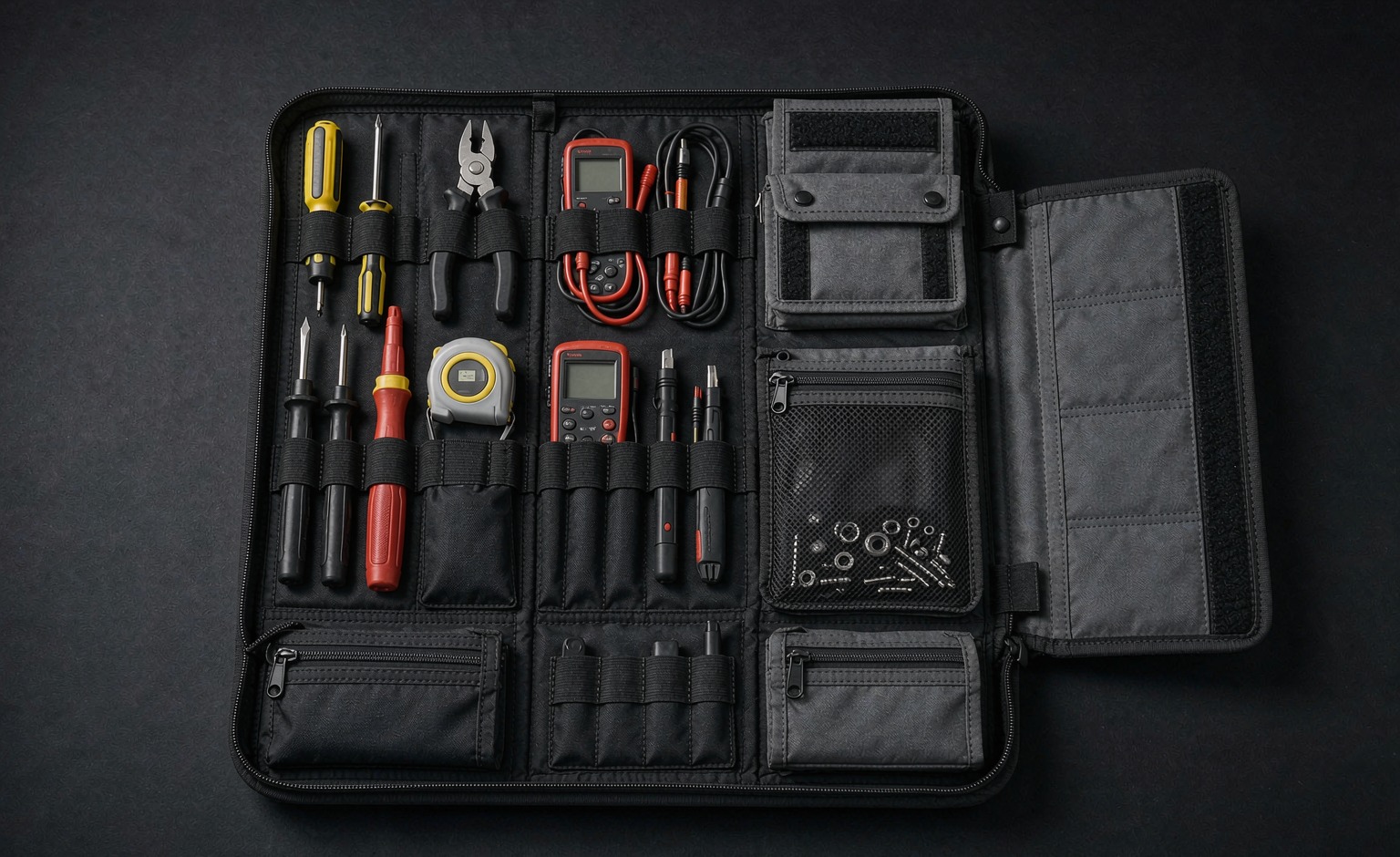
Frame choice decides whether a loaded pack returns to its original shape after a season of hard use, and the two dominant civilian constructions reach...

Back panel padding quietly decides whether a modular pack still sits comfortably after twelve months or feels flattened by month three, and the answer...
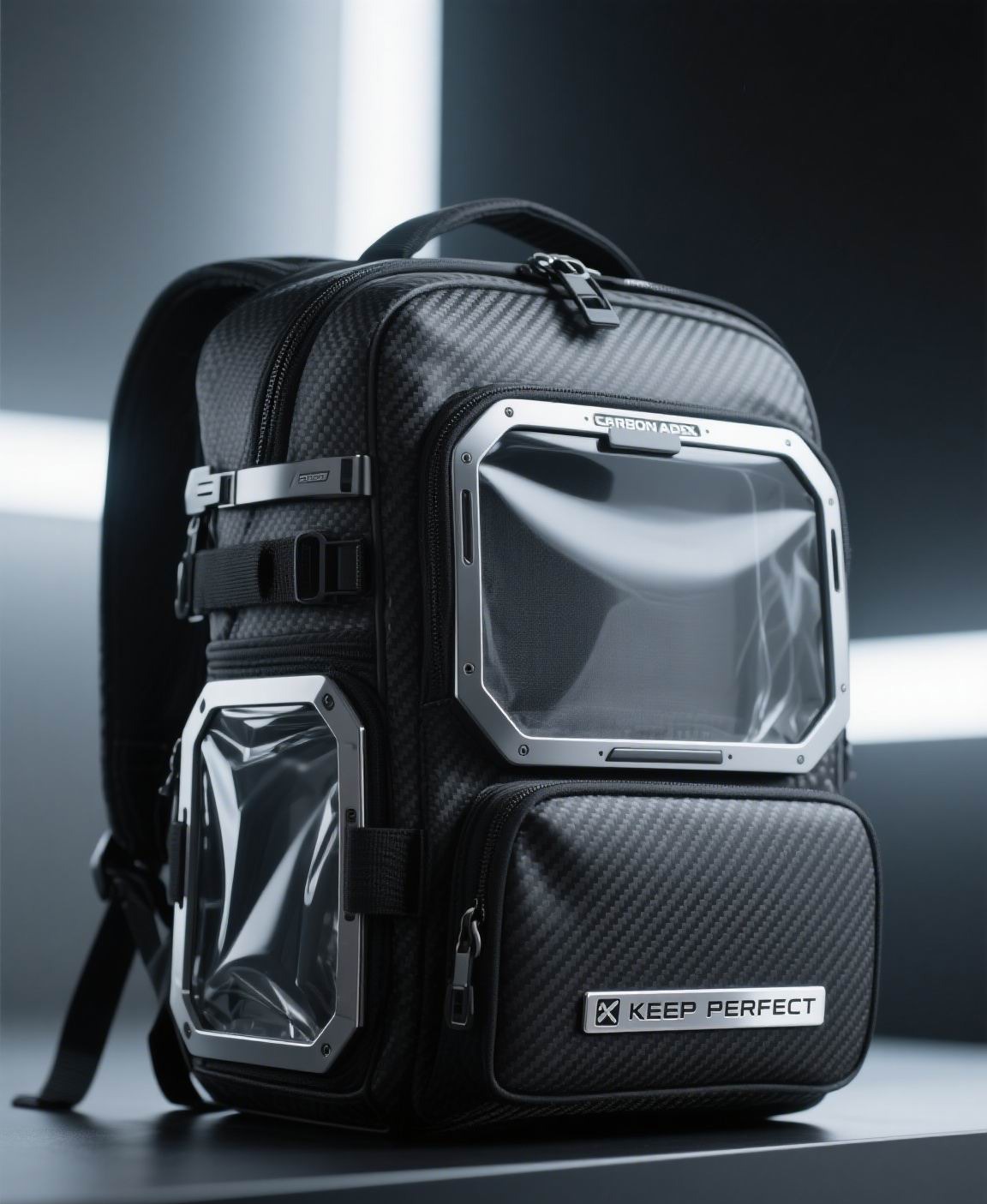
A suspended mesh panel and a padded closed-cell panel solve hot-back complaints by opposite routes, and mixing them up is the most common reason a com...

A technical buying guide that compares a roll-top throat with a zippered main opening on the four criteria that decide field performance: weather resi...

An engineering comparison of welded seam construction against stitched-and-taped construction for waterproof modular bodies, written for brand and imp...
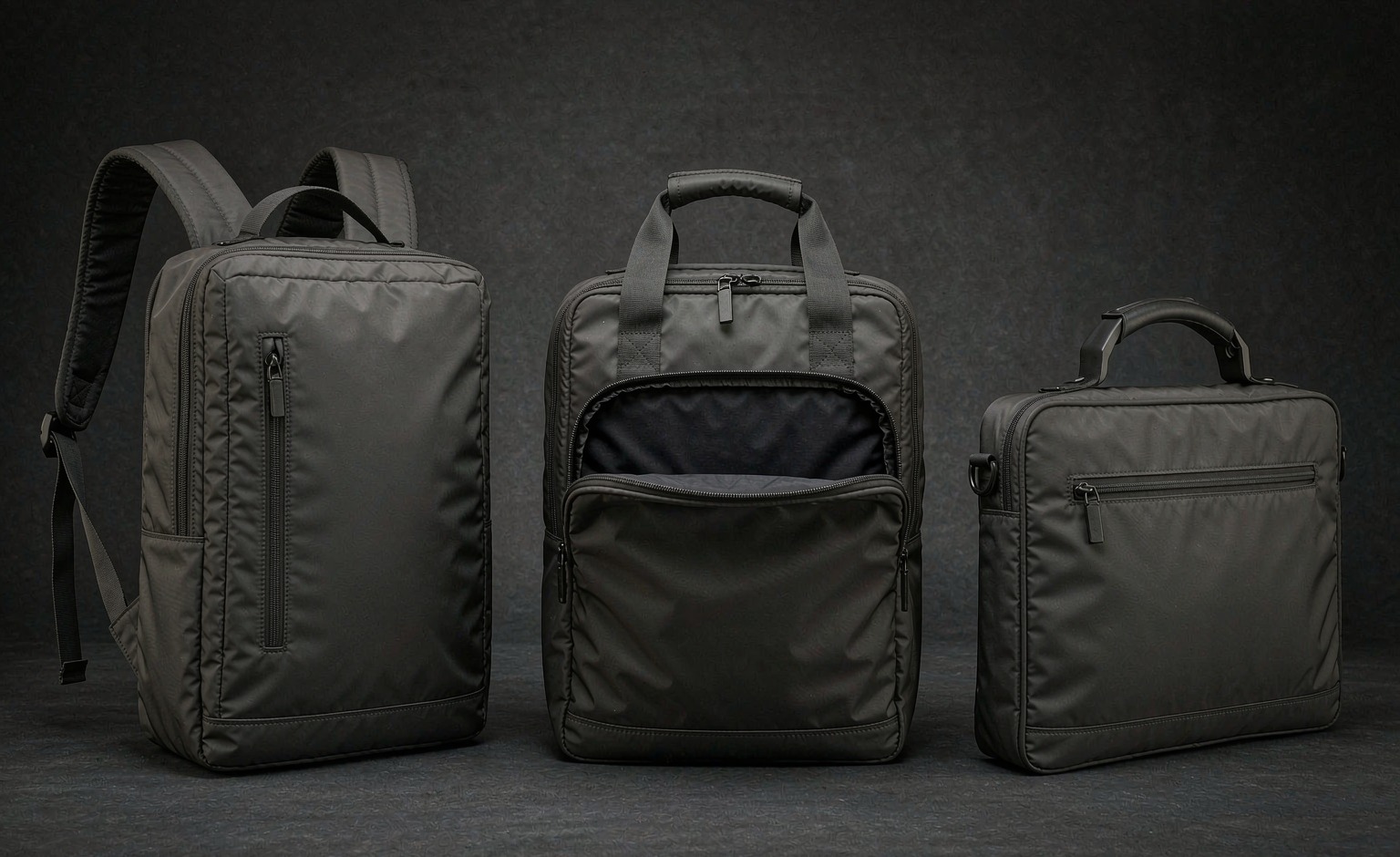
A specification-level comparison of detachable and permanently attached hip belts for modular load-carriage platforms, written for brand, import and e...
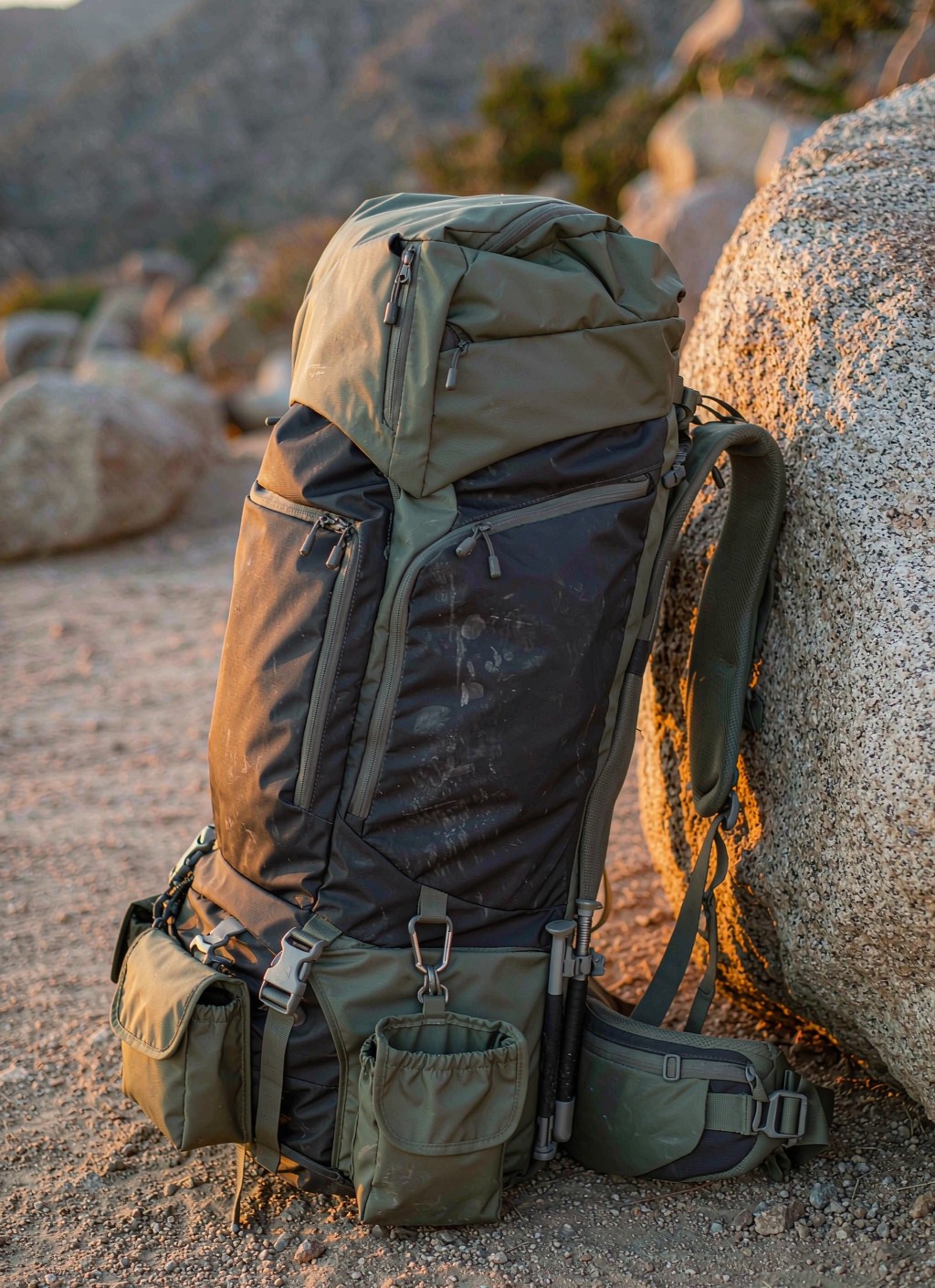
A specification guide for choosing between padded and unpadded module panels on a modular carry platform, aimed at brand, import and equipment buyers....

A measurement and tolerancing guide for the attachment lattice on modular carry platforms, written for engineers and buyers who have to put numbers on...

A specification note for engineers writing bar tack placement on modular panels into a control drawing. It traces how pouch load travels from a strap ...

A technical note for anyone writing stitch density standards for load seams into a bag specification. It separates what stitches per inch controls fro...
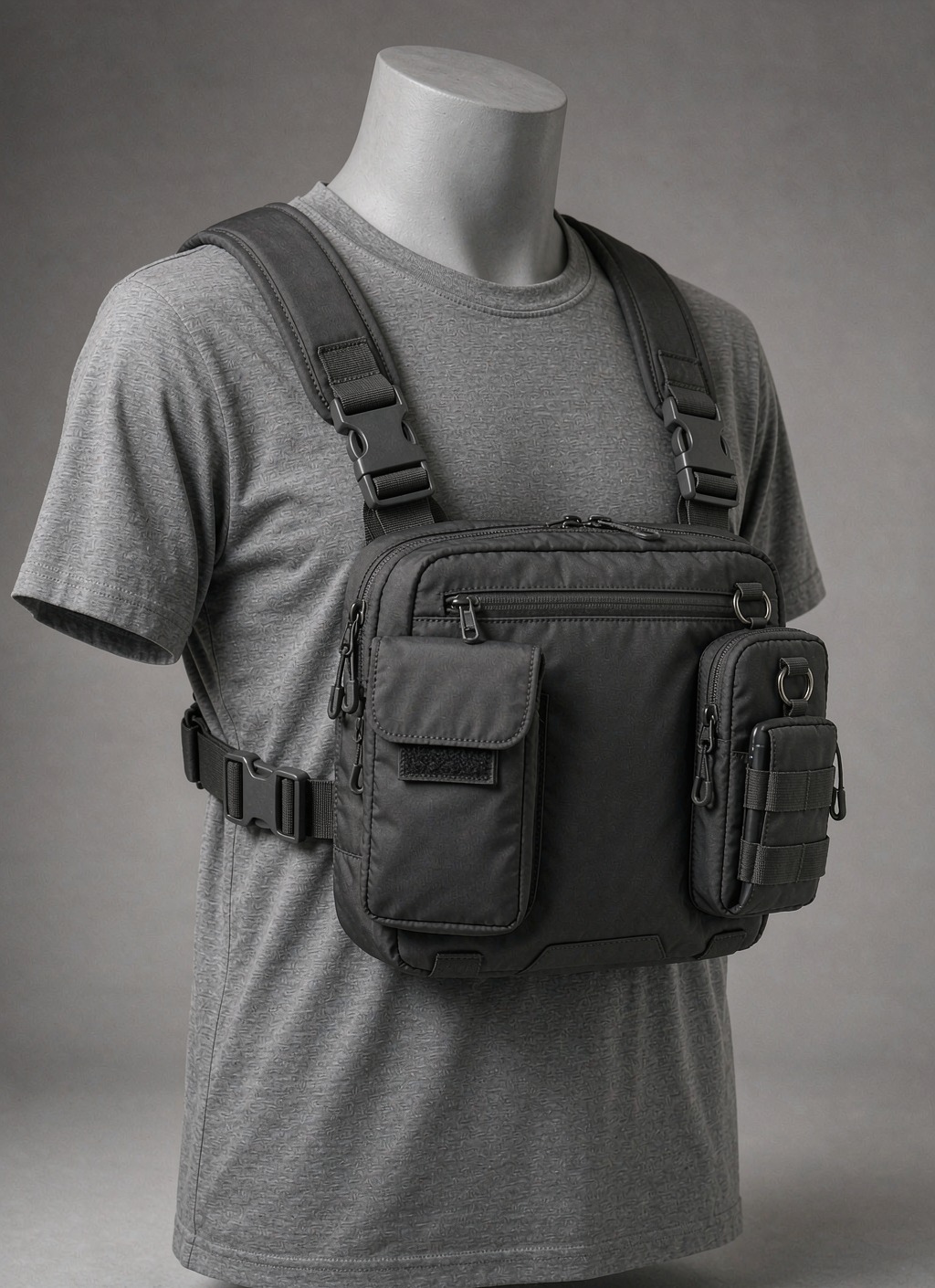
A buying and specification note on sewing thread for modular load carriage. It explains what the bonding resin on a bonded nylon thread does for loop ...
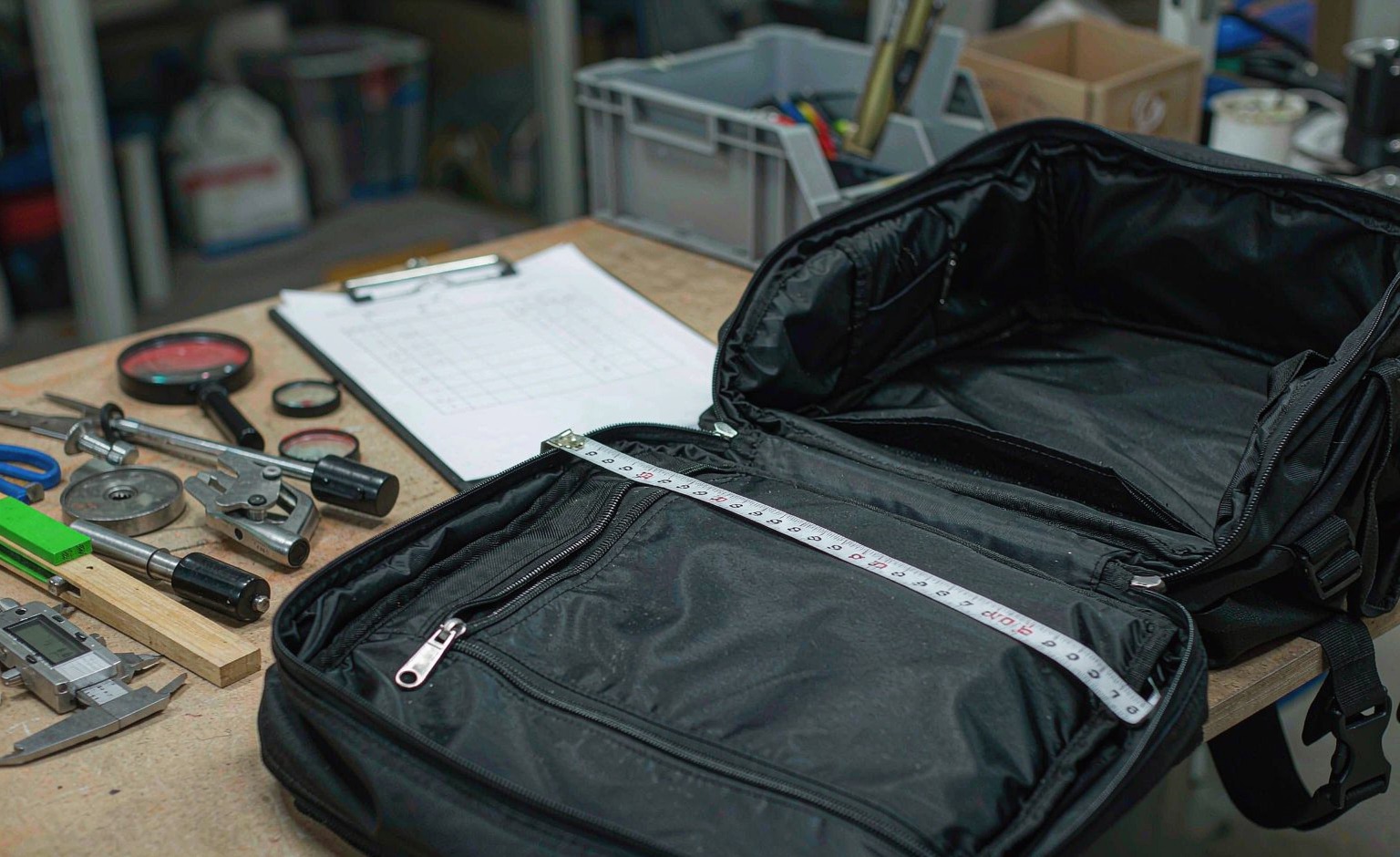
A specification guide to webbing material selection for modular panels, straps and anchoring runs. It compares nylon and polyester tape on the six pro...
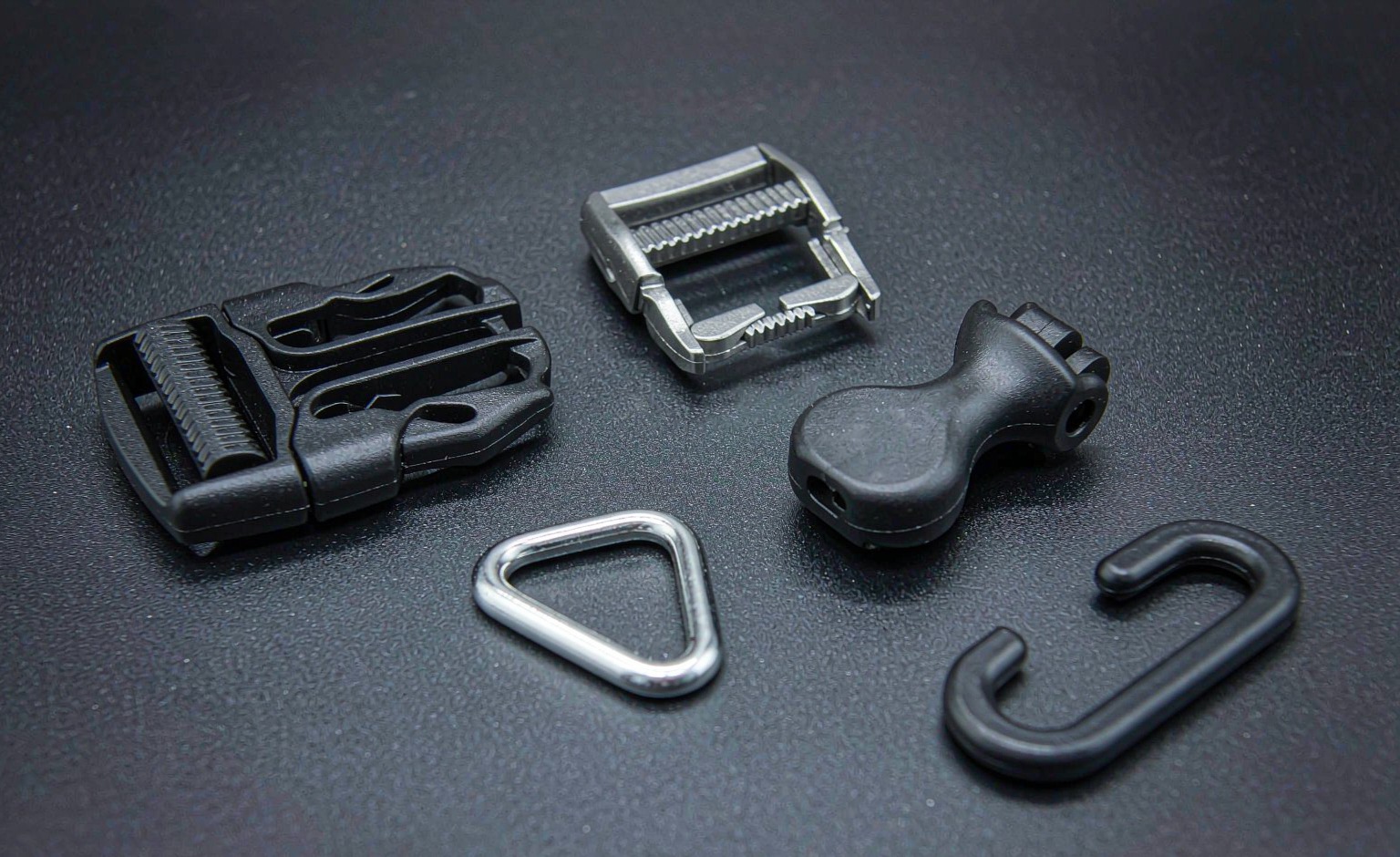
A specification guide to zipper size selection for backpack openings, written for engineers choosing between #5, #8 and #10 chains. It explains what t...

A printed buckle load rating is one laboratory result for one moulding pulled along one axis while new, and it rarely describes the way the part is lo...
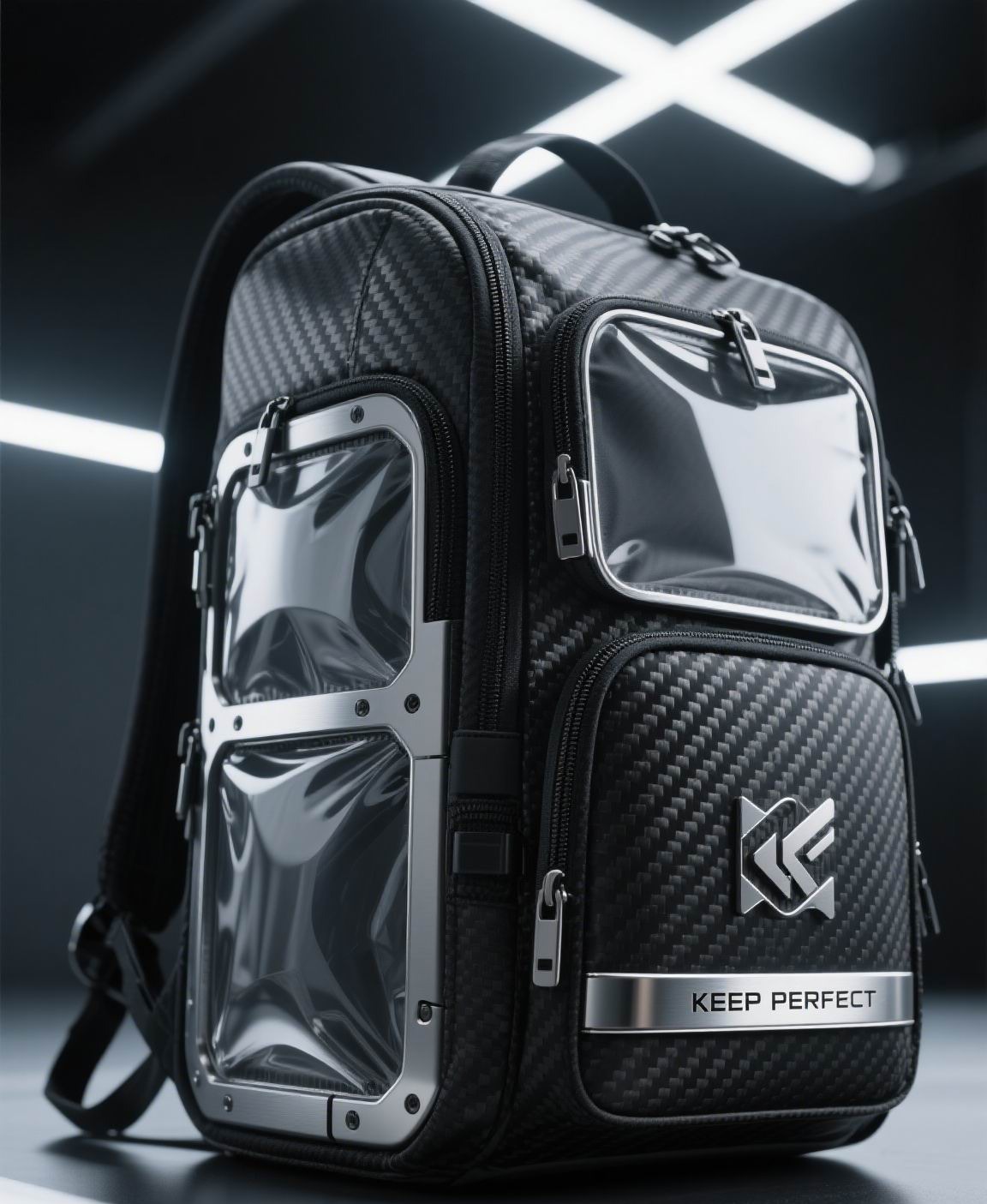
Two attachment faces can look identical and still refuse each other's modules, because appearance carries no information about pitch, engagement depth...
A cycle number quoted without a protocol describes nothing. This article defines what counts as one cycle for each attachment family, compares three p...

An unintended opening needs three things at once: something reaching the actuator, enough force in the correct direction, and geometry that lets the m...

Every module added away from the spine line moves the combined centre of gravity, and the movement follows mass multiplied by distance rather than mas...

Hip belt geometry decides whether a loaded modular chassis rides on the pelvis or hangs from the shoulders, and it does that through four measurable v...
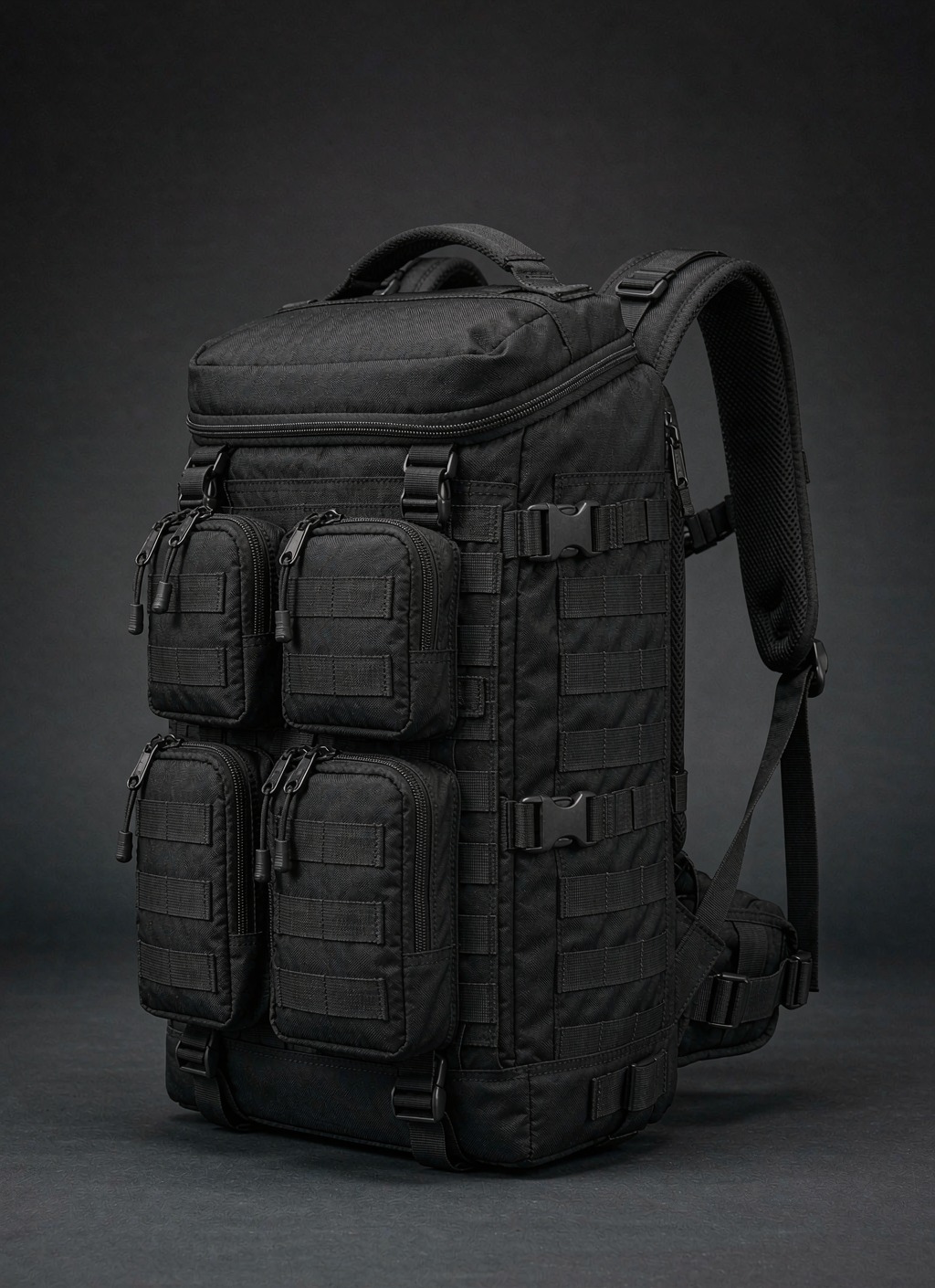
A module weight budget is the agreement a buying team makes with itself before anything is cut: how heavy an empty chassis may be, how many kilograms ...

Abrasion zoning replaces one shell specification with a set of area-specific ones, because wear across a 35-litre body is not remotely uniform: the ba...
The bottom of a loaded pack fails through a recognisable sequence — corner scuffing, then seam abrasion, then liner failure at the point where reinfor...
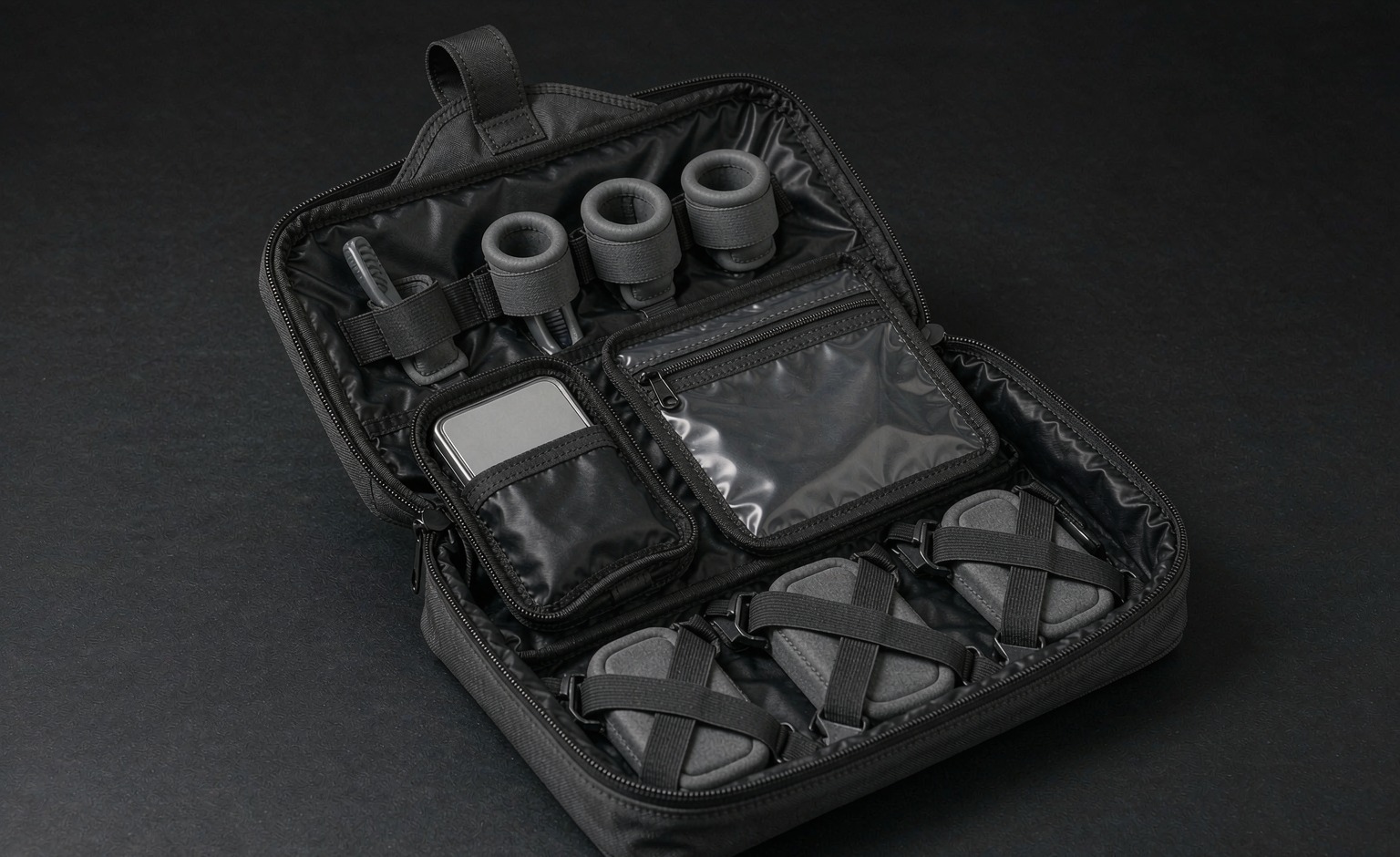
A sewn seam leaks even when both fabrics it joins are impermeable, because the needle carries thread through coating and interstices alike, leaving a ...

Colour fastness on a backpack is not one number but a grid: every dyed component read against every route that can move dye. This guide separates the ...
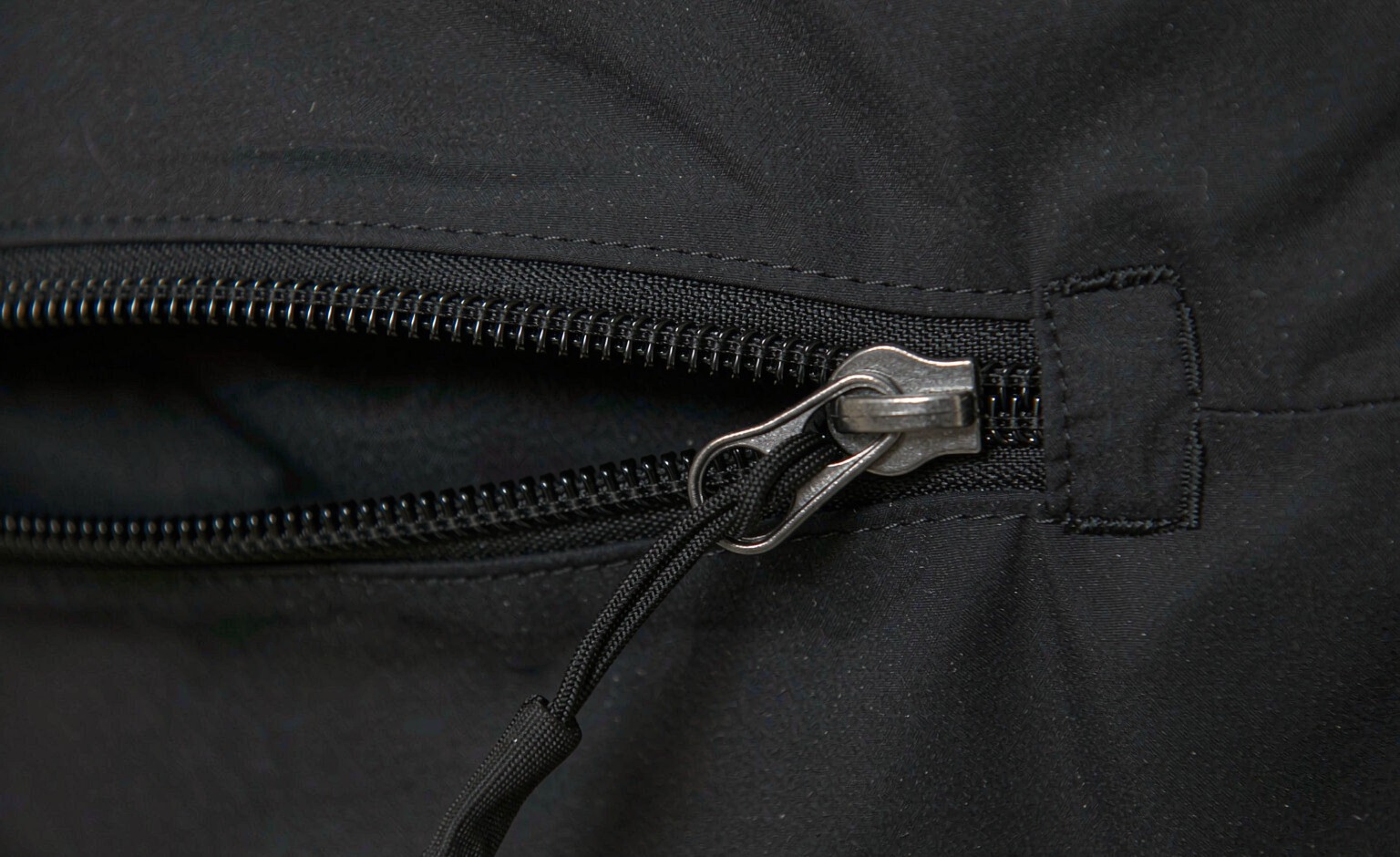
Salt spray is the most quoted corrosion number on a hardware sheet and the most misread. This guide explains what a neutral fog cabinet actually does ...
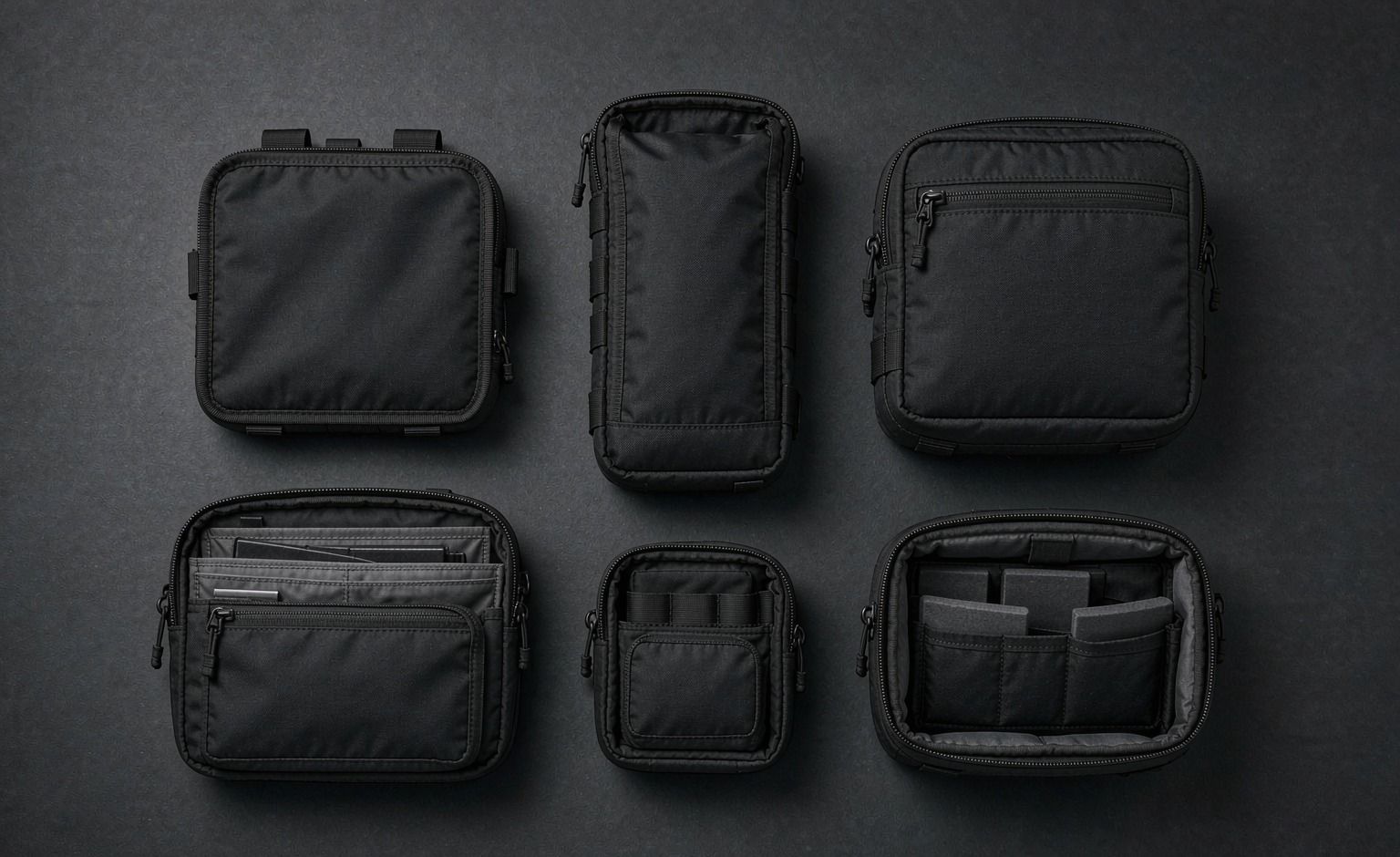
Cold crack testing decides whether a coated shell survives being folded, flexed or sat on at low temperature without the film fracturing, and it is th...

Ultraviolet resistance on an outdoor pack is reported two ways that answer two different questions: how much the shade moved, and how much strength th...
Noise from a modular pack comes from three mechanisms that need three different fixes: metal parts striking each other, free webbing lengths flutterin...
A working guide to ISO 2859-1 AQL sampling for bags, written for brands, importers and equipment buyers who have to release or hold a shipment on pape...
A technical explanation of ASTM D5034 grab testing aimed at buyers who commission reports rather than operate machines. It sets out what the method ac...
A practical explanation of ASTM D3884 rotary abrasion and how it applies to backpack and pouch material selection. The page describes what the rotary ...
A guide to the ISO 12947 Martindale family written for bag programmes that must choose between wear routes and defend the choice later. It explains th...
An examination of what AATCC 127 does and does not establish, written for buyers who have been handed a water column figure and asked to treat it as a...

An IP code is granted to a finished enclosure after it is tested as one assembled object, so it never describes a fabric on the roll. This guide sets ...
ISTA 3A simulates what a single packaged product meets on the way through a parcel network, and for bag programmes it turns a damage complaint into a ...
Neutral salt fog is the most quoted corrosion test on bag hardware and the most misread. This guide explains what a cabinet actually does to a specime...
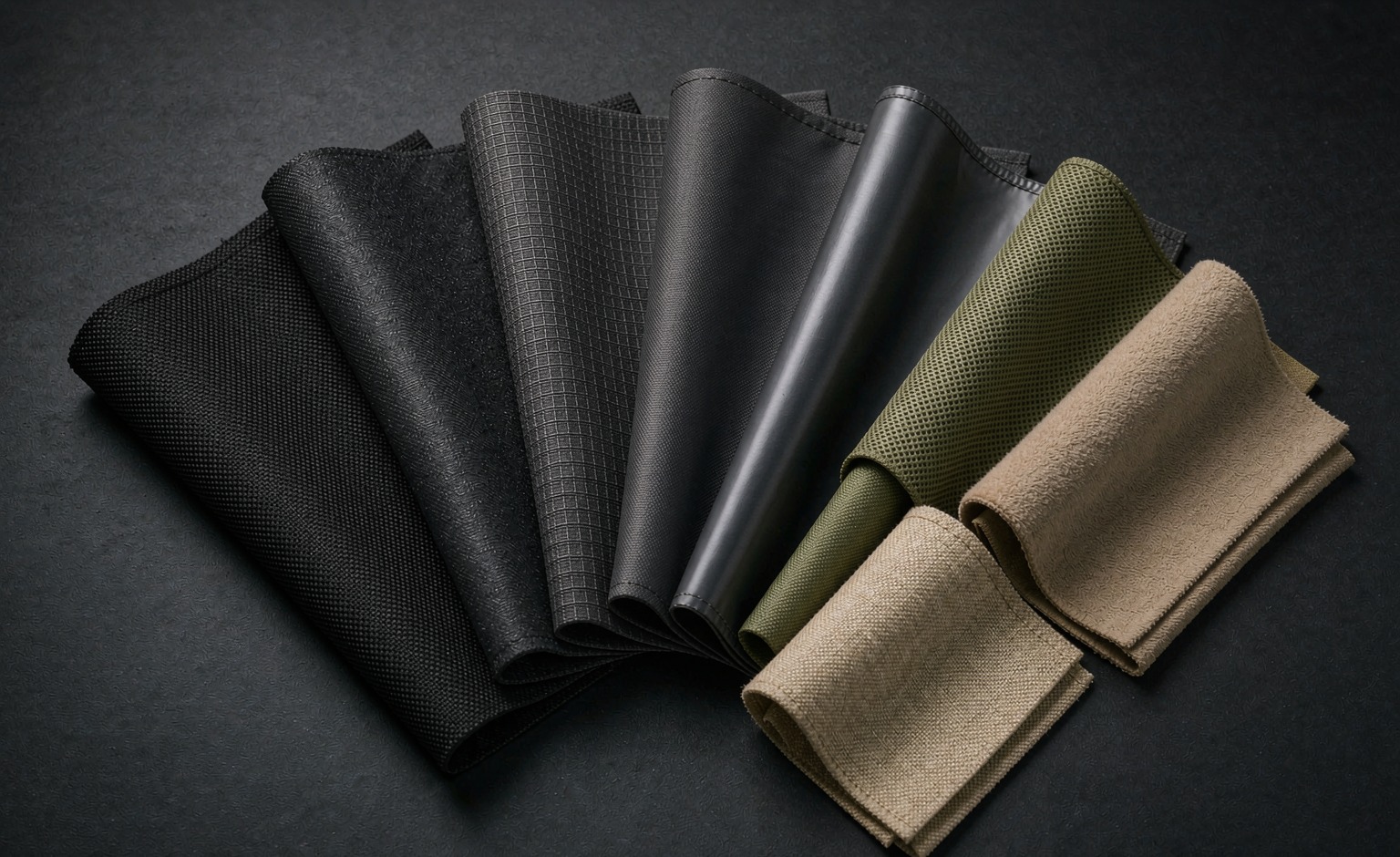
REACH is often treated as a single certificate that a supplier can sign, and it is nothing of the kind. This guide separates the three instruments a b...
Proposition 65 is a warning statute, not a product ban, and bag brands meet it in two opposite failure modes: warning on everything or warning on noth...
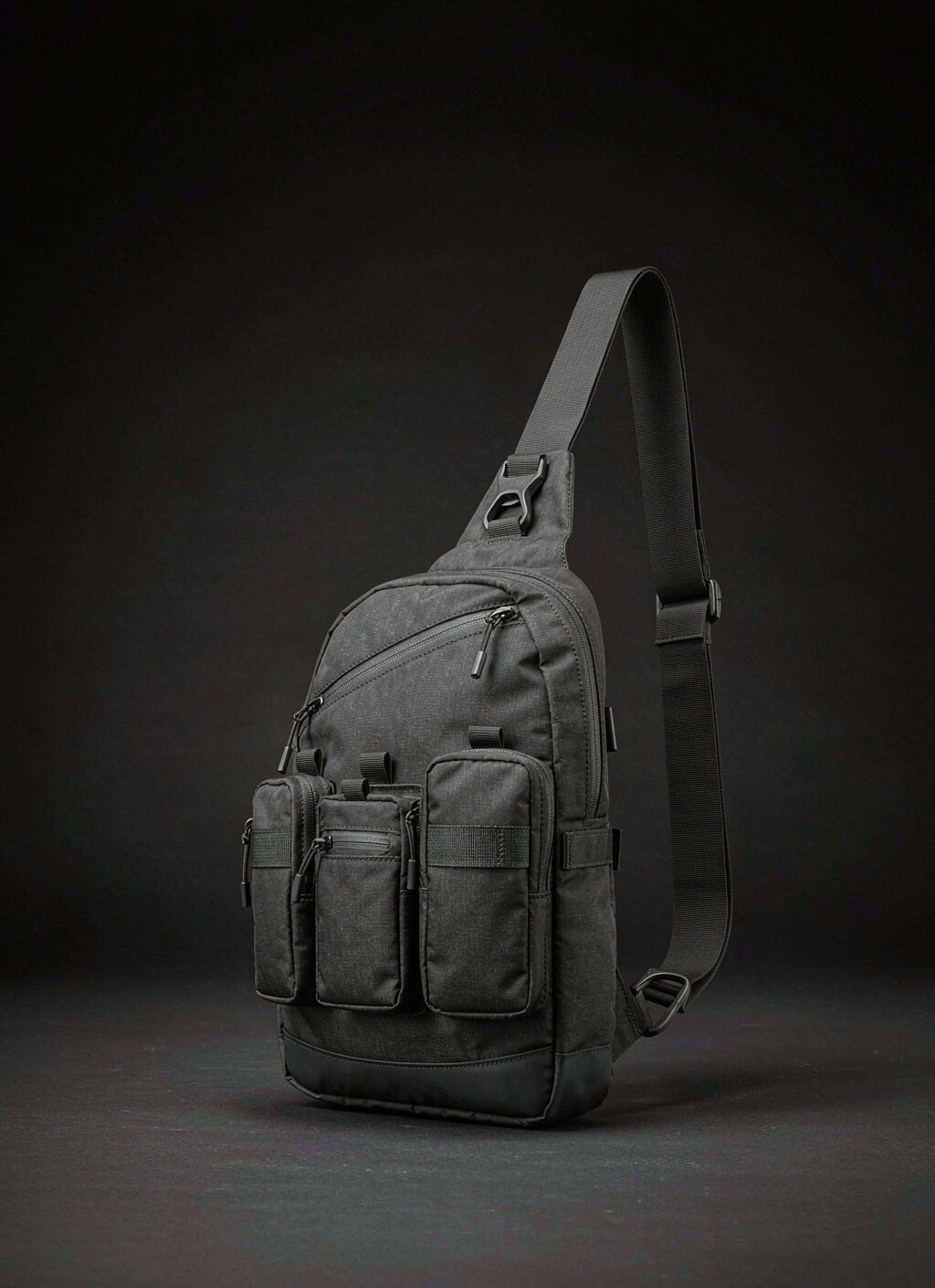
CPSIA duties for a bag depend entirely on how the finished article is classified, not on the word printed on the hangtag. This guide sets out the thre...
OEKO-TEX Standard 100 is a label for articles tested against a published limit catalogue, and its value depends entirely on how the certificate scope ...
EN 1811 is the reference method that measures how much nickel migrates out of a metal item into artificial sweat, and for bag hardware it is the test ...
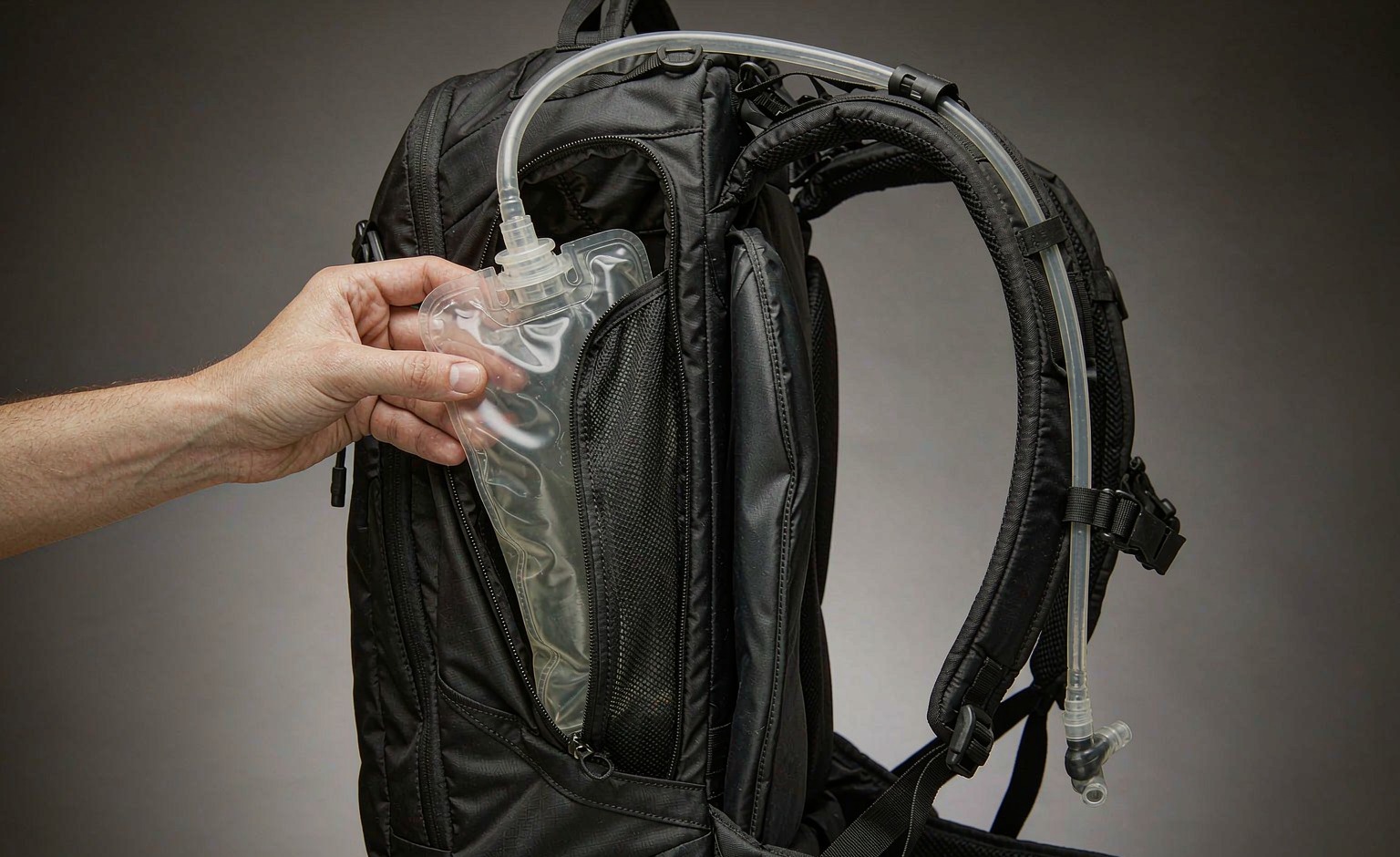
An amfori BSCI audit examines how a production site treats the people who work there, and nothing in the visit measures whether a bag performs. This g...
An ISO 9001 certificate attests that a management system was assessed against the standard, and the value of any particular certificate depends on fou...
A recycled content declaration is only as strong as the paperwork behind it. This guide separates the site-level scope certificate from the shipment-l...
A laboratory report is evidence about the specimen that reached the bench and about nothing else, so reading it well is a matching exercise rather tha...

A approved prototype and a shipped carton drift apart for reasons that are structural rather than accidental, so consistency has to be designed into t...
Export cartons fail in distribution for reasons that a strength conversation never explains, so a drop programme has to reproduce handling rather than...

Retail receiving happens at a scanner, so a carton that cannot be read is a carton that cannot be booked in, whatever its contents. This guide covers ...
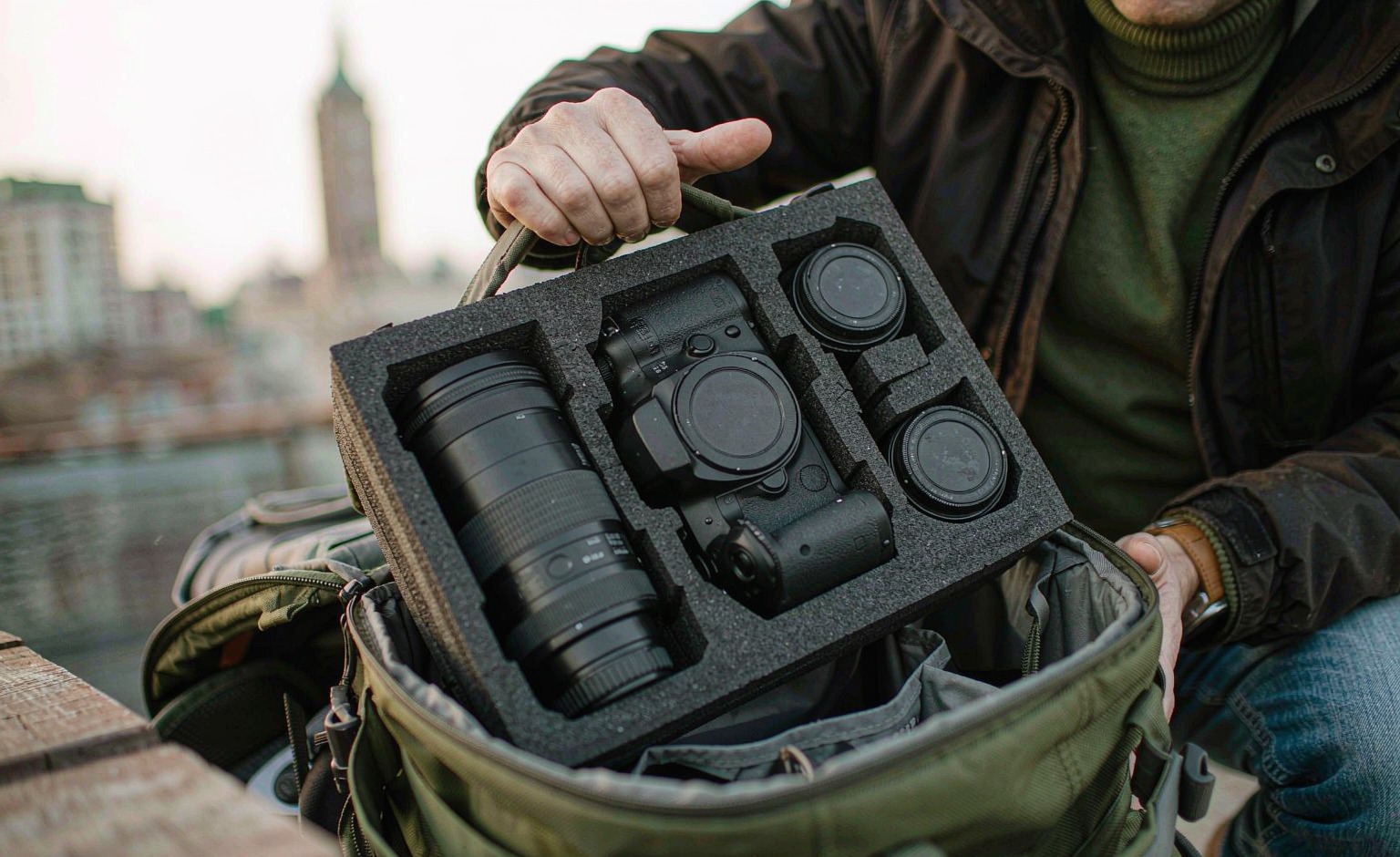
A tech pack for modular bags is an indexed set of nine pages, not one file: cover and revision index, dimensional drawing, bill of materials, process ...
A modular backpack RFQ is complete when one submission answers five blocks: programme identity, construction and materials, modular interface geometry...
A bag specification sheet is a field register, not a drawing: it records what each component is, in figures, across nine groups from base fabric and c...
A BOM structure for modular backpacks is a four-level hierarchy: finished good, sub-assembly, cut part and raw material. This guide explains why modul...
Seven drivers set the cost of a modular backpack programme: fabric, hardware, labour minutes, waste, tooling, testing and packaging. Fabric is normall...
A tooling or screen charge is a one-off invoice line raised before any physical work begins, and it buys three distinct things that are routinely conf...
A sampling fee exists because a single prototype costs more to build than one unit inside a bulk run: patterns are cut by hand, a line is stopped for ...
A sample revision round is one complete rebuild-and-review cycle: a mark-up is issued against written acceptance criteria, the piece is rebuilt to it,...
A pre-production sample is the first piece built from production tooling, production patterns and the confirmed component set, and signing it declares...
Change control in bag production is the discipline of declaring every substitution — of material, component, production line, facility or process — be...
Capacity planning for a bag order is the discipline of reserving line-days, input positions and inspection slots before a purchase order is placed, ra...
A repeat order is the hardest test a production system faces, because the second run has to match a standard that exists only as a physical reference ...
Landed cost is the sum of every charge required to move a finished bag order from the production gate to the buyer's own dock, and the ex-works or FOB...

Freight mode selection for bag shipments is a decision about four variables at once: transit time, chargeable quantity, break-point risk and documenta...
A container loading plan converts carton dimensions into a decision about which box to book, how many units fit, and in what order they are stowed. Th...
FOB, CIF and DAP are three answers to one question: at which point does risk move from seller to buyer, and who pays for each leg in between. This gui...
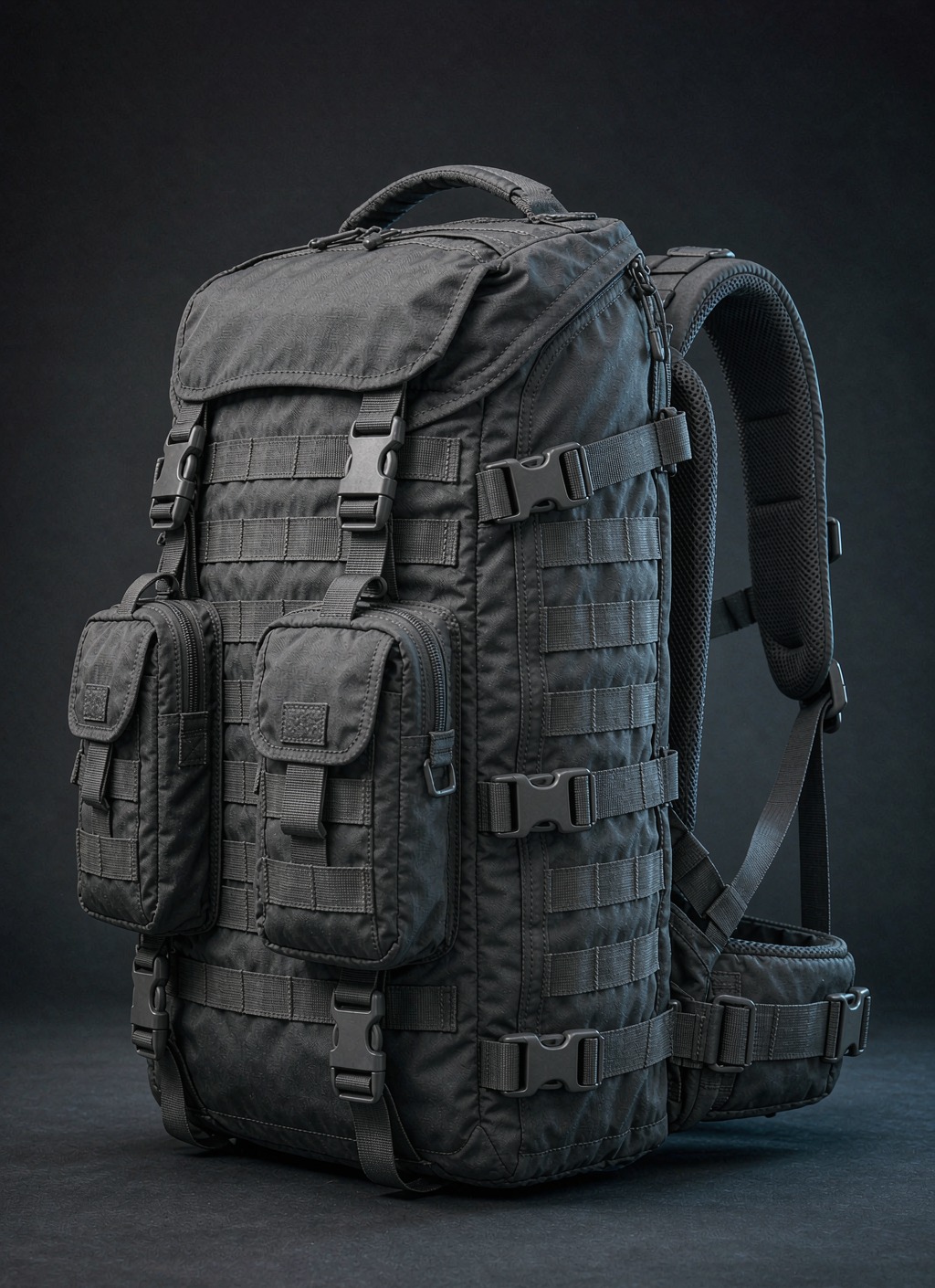
A 30/70 milestone structure puts 30 percent down at order confirmation and 70 percent against a defined evidence point after production, and the whole...
A price validity window is the period over which a quotation is still an honest statement about input costs, and a currency term decides which party c...
A 500-unit minimum can be divided across colourways, but each additional shade inside one reference is a production event rather than a free option, a...
A minimum order quantity of 500 units is not a commercial preference; it is the point at which the fixed content of a production run — line setup, cut...
A logo on a backpack panel is produced by one of three physical mechanisms, and the choice is made on cost structure and service life rather than on h...
A rubber patch and a woven patch carry the same artwork with completely different physics: one is a moulded elastomer with real relief, the other is a...
A colour name is not a colour; a lab dip is the only thing that turns a reference into an achievable shade on a named substrate. This guide sets out t...
One Pantone reference sent to a bag programme will come back as several slightly different colours, because shell fabric, webbing, zipper tape, sewing...
Logo placement on a backpack is an engineering decision before it is a branding one: the mark has to clear seam allowances, bar-tacked load paths, zip...
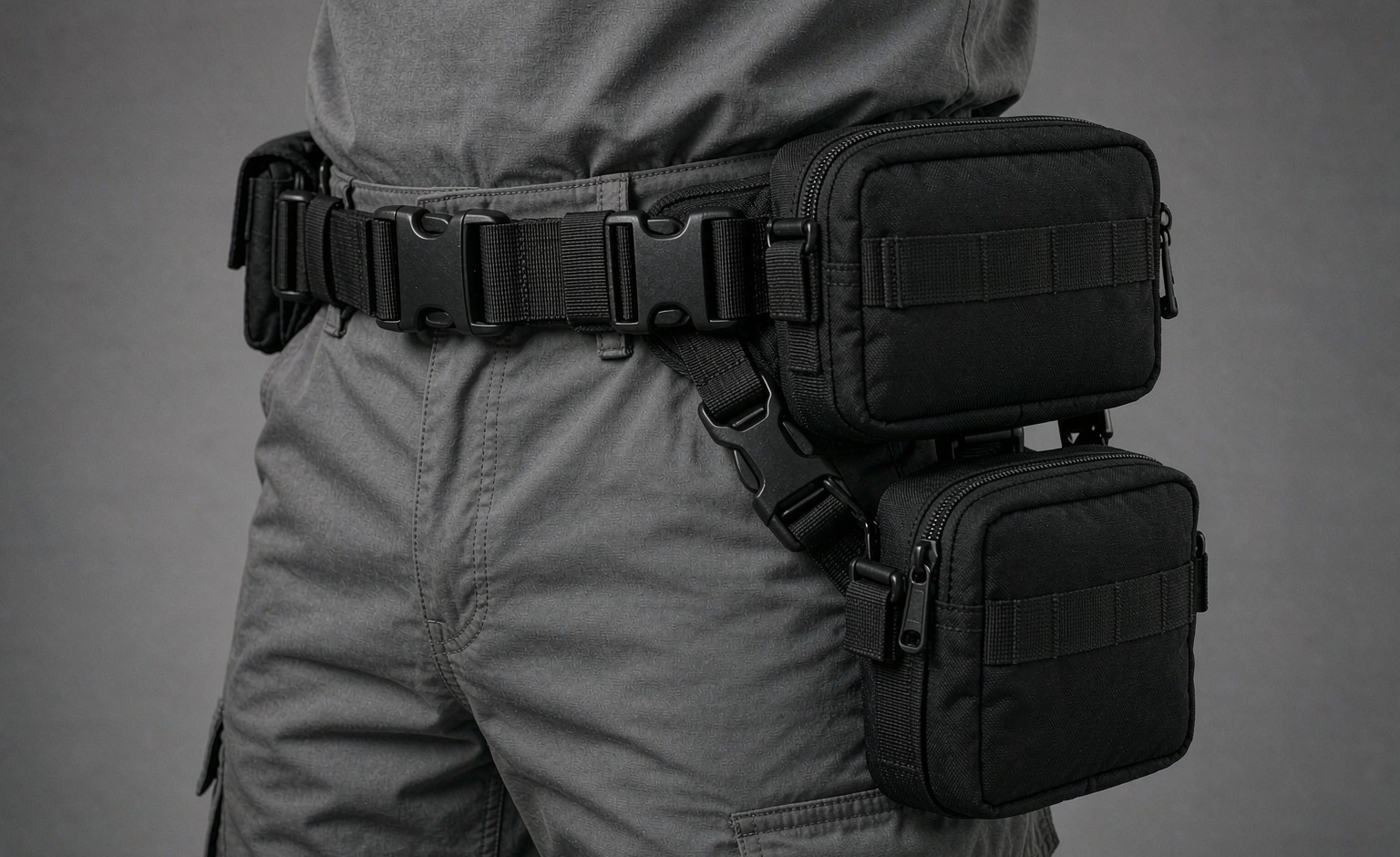
Hangtag and care label requirements describe two documents that retailers treat as one set: a removable hangtag that carries brand, style, colour, bar...
A polybag specification fixes five things: the resin and any recycled content, the gauge in one named unit, the print including mandated warning text,...
An export carton specification fixes five fields: board construction, the edge crush value, the internal dimensions, the closure and the marking. This...
Retail-ready packaging is the set of vendor-manual requirements that let a case or a single unit travel from the loading dock to the shelf without bei...
An e-commerce shipper has three jobs: survive a parcel network, open cleanly for the customer, and close again for a return. This guide sets out the u...
Shipping mark format for export cartons is best understood as two blocks rather than one: a main mark on the largest face carrying consignee code, des...
Pallet pattern and container stuffing decide whether a unit load arrives square, whether the cube paid for is actually used, and whether a damage clai...
A modular backpack for emergency response kits is specified as a retrieval device rather than as a container: compartments are zoned by how often each...
A modular first aid module specification fixes four things and deliberately leaves a fifth alone: it fixes a capacity tier expressed as a volume band ...
A modular backpack for search and rescue teams is specified as a long-duration carry platform, not as a large daypack. This guide sets out what a sear...
A modular system for film and TV crews is specified by department zone and retrieval frequency rather than by item size, because a second assistant ca...
A modular backpack for wildlife survey work is specced around approach distance rather than storage volume: the shell has to stay quiet and matte belo...
A modular carrier for surveying equipment protects the instrument by suspending the manufacturer case in a cradle that keeps the optical axis off any ...
A modular bag for utility meter reading is judged on three things: the handheld terminal has to come out and go back with one hand while the reader is...
A modular system for drone and battery carry separates the kit by hazard rather than by size: the airframe gets a cradle that never presses on the gim...
A modular backpack for mountain rescue teams is specified here as civilian load-carriage hardware for volunteer rescue, mountain guiding and backcount...
A modular loadout for event medical cover is treated here as a bag-organisation problem for civilian event providers, not as clinical guidance. The gu...
A modular bag for park ranger patrols is specified here as civilian load-carriage equipment for parks, estates, nature reserves and conservation contr...
A modular carrier for construction site supervisors is treated here as civilian worksite load-carriage equipment for supervisors, engineers, clerks of...
A modular system for marine and deck work is treated here as civilian load-carriage equipment for deck crews, harbour teams, marine survey parties, aq...
A modular bag for cycling courier work is specified against four constraints that have little to do with capacity: the load must not sway at pedal cad...
A modular carrier for museum and archive work carries tools, not objects: a tablet, a camera, gloves, forms, pens and a measuring tape, taken into roo...
A modular backpack for language school programmes is sized around textbooks in A4 or B5, a tablet and a folder, then coloured and labelled so a class ...
A modular system for scout and youth groups has to fit an age band that spans twelve years, be identifiable at a camp of two hundred, survive being pa...
A modular bag for volunteer distribution teams is designed around a hand-over that takes half a minute: pre-kitted at origin, zoned so a checklist can...
A module spare part strategy answers three questions before the first container ships: which parts of a modular platform stay orderable after launch, ...
Backward compatibility in a modular platform is three separate promises - an old module still fits, still holds its rated load, and still looks like t...
End of life for a modular bag arrives on four different dates - the shell, the modules, the hardware and the coatings each retire separately - and the...

The repair-versus-replace decision for a module is made on four criteria, and cost alone settles only the easy cases: repair cost against replacement ...
A claim pattern is the distribution of failures across parts, generations and months, and it shows where a modular platform actually breaks in a way n...
Return reasons for modular backpacks cluster into five design faults rather than random workmanship defects: a pouch that will not mate with the attac...
Product review mining converts unstructured buyer feedback into a ranked list of specification changes, and it only pays when the same coding frame is...
Assortment planning for modular ranges decides two numbers before anything else: how many carrier bodies and how many module types enter the first yea...
SKU architecture for modular platforms has one job beyond identifying inventory: it has to make compatibility obvious without a lookup, so a warehouse...
Restock cycle planning for modular lines faces a structural problem that single-piece ranges never meet: carriers and their modules deplete at differe...
Seasonal colourway planning for bags decides how many shades one confirmed body can carry before yarn, trim and label commitments stop paying for them...
Channel conflict management for brands is the work of keeping one product family sellable through retail, e-commerce, corporate and distributor channe...
A modular range pricing architecture is the agreed relationship between what the carrier costs, what each module costs and what a configured bundle co...
Category extension from modular platforms is the decision to carry one attachment interface into an adjacent product type, and it works only when the ...
Field repairability of modular systems is the share of real failures a user can put right where they are standing, with the tools and spares they actu...
Barcode and GS1 requirements for a bag programme come down to three separate numbers: the retail symbol on the pack, the carton code on the outer box,...
An instruction sheet and printed insert carry four jobs at once: statutory content for the destination market, a module map the buyer can follow, care...
A product photography spec for catalogues fixes four things before a camera is switched on: the angle list every reference must have, the background a...
A size claim and capacity label is only as defensible as the protocol behind it. This guide compares the three ways a litre figure is derived — water ...
Fibre content labelling requirements are a market question, but the engineering behind them is not: somebody has to decide which components enter the ...
Country of origin labelling rules decide when a bag must carry a visible origin mark, and the answer is set by the market where the goods clear rather...
Care symbol selection for bags is a filtering exercise, not a copy exercise: the five symbol families were built for laundered textiles, and most of t...
Spare parts and replacement module orders behave differently from the main bag order, and the difference is mostly about timing: a spare ordered with ...
Lead time buffer planning for launches works backwards: the launch date is fixed, and every earlier milestone is derived from it, not estimated. This ...
Artwork file requirements for logos are a production specification, not a design preference: the file has to survive being turned into a screen, a pla...
Adding a PALS field to an existing backpack looks simple on a sample bench and gets expensive in bulk. This guide sets out the engineering judgement b...
AI has moved into custom modular backpack development in specific, measurable places: pattern nesting, photoreal concept rendering, specification chec...
Fabric choice on a modular backpack decides cost per use, warranty exposure and whether a printed brand mark survives the first season. This guide giv...
A hiking chassis has a different failure budget from a commuter pack: granite abrasion, sustained load on the suspension, wet gear management and long...
A commuter platform is judged on a short, repeated duty cycle: device protection, checkpoint access, security against opportunistic theft, and how the...
BSCI is widely quoted in bag sourcing and widely misunderstood. This guide explains the amfori BSCI system for importers and brand compliance teams: w...
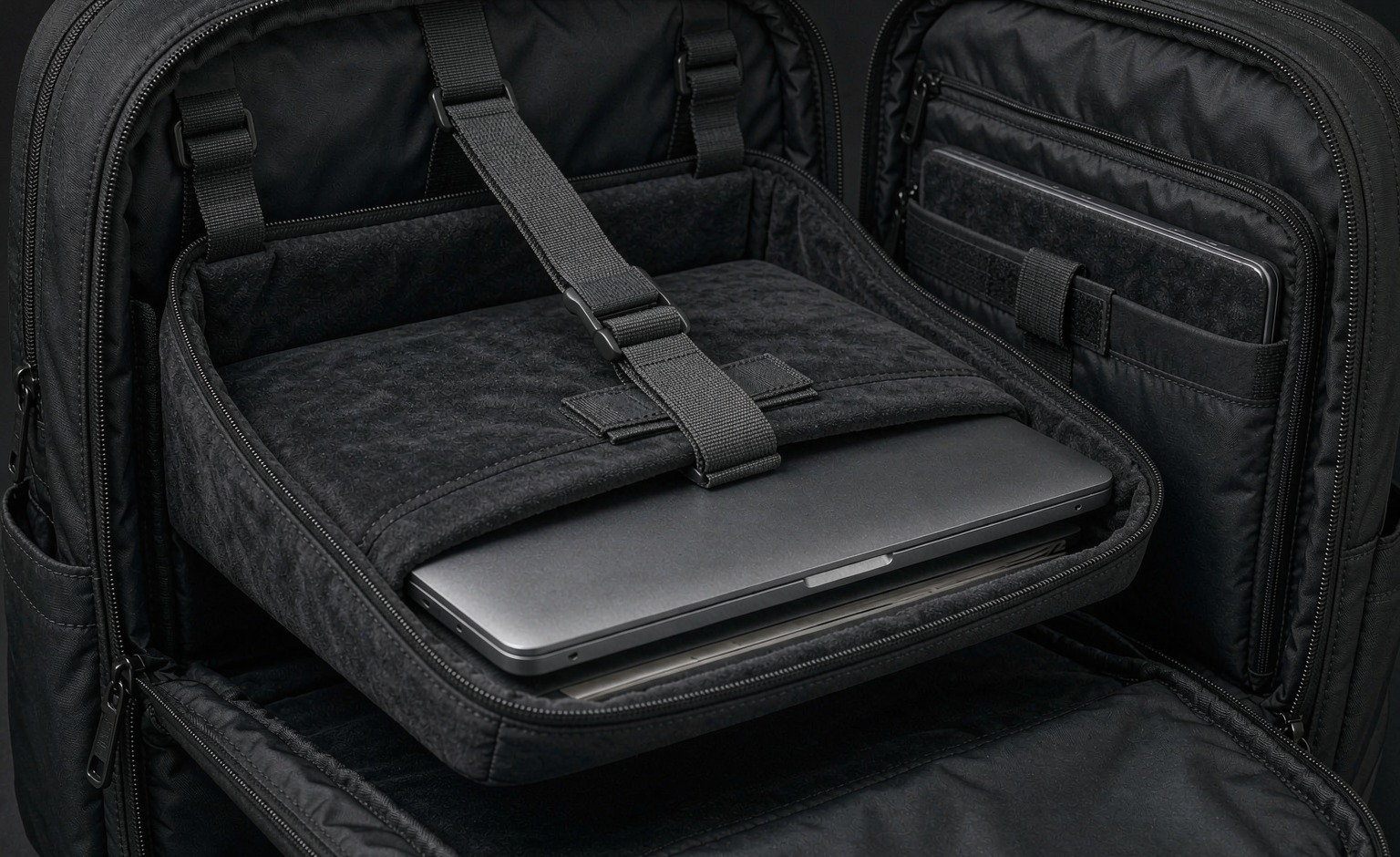
Landed cost is where a modular programme is won or lost, because the interface that makes the product attractive also adds freight volume, inspection ...
A small pouch module is the cheapest unit in a modular range and often the one that decides whether a customer buys the second module. This guide cove...
A custom modular backpack programme slips on missing files far more often than it slips on sewing. This guide lists the documents a production partner...
Sampling is a gate sequence, not a single event, and on a modular platform it is where the programme is either de-risked or silently committed to a pr...
A custom modular backpack manufacturing programme is won or lost on the interface rule set that governs how modules attach, align, and carry load. Thi...
Modular pricing behaves differently from monolithic pricing because interface cost is shared across the range while each additional module adds margin...
Public-sector procurement for a custom modular bag system is won on specification clarity and documentation, not on unit price alone. This guide cover...
Promotional programmes run on three constraints: a fixed event date, a fixed budget per recipient, and a brand impression that has to survive daily us...
This guide covers specification for a custom tactical backpack intended for lawful civilian field use: work tools, first aid kits, outdoor equipment, ...
Campus programmes are not retail programmes: the buyer is an institution, the user is usually not the payer, the ordering calendar is fixed by the aca...
Packaging for a modular bag system does more work than packaging for a single-product carton: it has to protect a carrier plus several detachable modu...
Placing a magnetic-mechanical closure on a modular bag is a force-direction problem before it is a styling decision. This guide sets out placement rul...
Designing a custom modular bag system from scratch is a sequence of nine decisions, and the order matters more than the individual choices. This guide...
A detachable module is only worth its cost when the contents it carries change more often than the bag itself is replaced. This guide covers how to sp...
A detachable waist bag module only pays for itself when it shifts measurable mass onto the pelvis and still detaches one-handed. This engineering note...
Direct-to-consumer operators do not need more products, they need more listings per dollar of working capital. This note models the chassis-and-module...
Sustainable material choices on a modular programme are engineering decisions, not marketing ones. This note works through recycled yarns and their st...
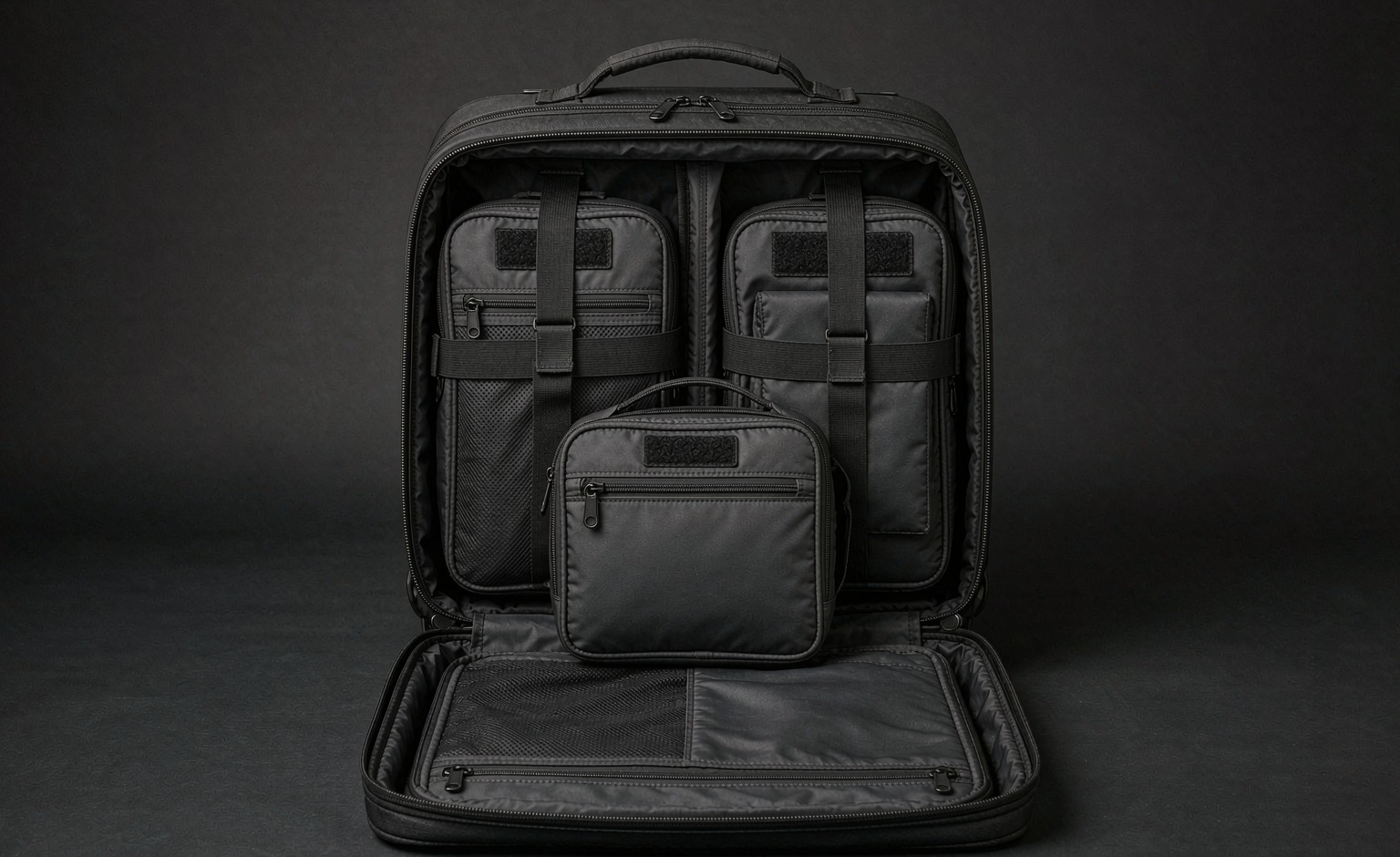
Online retail does not just sell modular bags, it specifies them. Search terms, filter behaviour, return reasons, review photographs and configurator ...
External and internal modular architectures solve different problems, and picking the wrong one is a specification error that no amount of hardware qu...
Magnetic-guided latches changed modular carry by removing the need to aim: the halves find each other, so a pouch behind the hand or out of sight clos...
This page does not score any specific retail product. It sets out the protocol a buyer should run on a magnetic-guided modular fitting before committi...
Magnetic snap-fit is a two-stage mechanism: a magnetic field brings the halves into rough register, then a mechanical undercut carries the load once t...
Three connection families dominate modular carry, and they fail in different ways. This comparison sets magnetic-guided latching against coil and moul...
Modular design is becoming the default architecture for bags because it converts a product business into a platform business: one chassis, a frozen in...
A modular bag programme is planned across four calendars that rarely move together: material call-off, tooling, assembly and vessel booking. This guid...
Buckles and fittings decide whether a modular bag survives its second season. This guide treats hardware and buckles in modular bag design as an engin...
Modularity in bags did not begin with webbing grids. This history of modular bag design traces the idea from divided camera cases and trade tool belts...
Selecting a production partner for a modular bag programme is a verification exercise, not a price comparison. This checklist sets out the evidence wo...
A specification sheet has one job: to let a team that has never spoken to you build the product without asking a question. This guide breaks the bag s...
Duty on a modular bag shipment cannot be quoted by a supplier, because it is set by a classification decision, a valuation basis and an origin determi...
Interchangeable compartments turn a backpack from a fixed container into a platform whose internal capacity is re-specified by the user after purchase...
An IPX code is a test outcome on a finished product, not a property of a fabric. This guide separates the two figures that buyers routinely conflate: ...
ISO 9001 certifies a management system, not a bag. This guide describes what the standard actually requires of a production organisation - documented ...
A laptop sleeve inner module has to reconcile two requirements that pull against each other: protect a rigid, fragile object, and remain a removable p...
Lead time planning for a custom modular bag programme fails when three additive blocks get treated as one number. Sampling runs 6-10 working days and ...
A durable relationship with a bag production partner is an engineering asset, not a purchasing habit. This article prices what continuity actually buy...
The pouch attachment grid now found on hiking shells, commuter packs and trade tool carriers originated in a defence load-carriage programme, but the ...
Modular architecture changes the load problem because mass can be added after the chassis leaves the design office. This article sets out where carrie...
Everyday carry is the most demanding duty cycle a backpack faces, not the easiest: the same pack is worn on a train, under a desk, into a shop and acr...
Campus carry is a defined duty cycle with a hard deadline: the bag must survive a full term of daily overstuffing, wet corridors and being dropped on ...
A modular bag system has more failure surfaces than a fixed pack: attachment rows, detachable interfaces, spare modules and a host chassis that users ...
Modular assembly differs from conventional bag assembly in one structural way: the interface between chassis and module must be built before the body ...
This review avoids third-party statistics it cannot substantiate and describes instead what is visibly happening in channel behaviour: ranges consolid...
A modular bag system is distinguished from a bag with pouches by one property: a documented interface that outlives any individual module. This guide ...
A modular bag fails at its interfaces long before the shell wears through, so the durability test plan has to start there. This protocol guide sets ou...
Buying modular bags wholesale for retail shelves is a logistics problem before it is a product problem. This guide covers the mechanics that decide wh...
An adventure operator runs a fleet, not a purchase, and the economics are decided at the issue station and the drying room rather than in the catalogu...
A corporate gift programme fails on two things: the logo method chosen for the shell and the calendar behind the handover date. This guide covers both...
Corporate gifting rewards items that get used, and bags are used only when they fit a real routine. This guide examines why modular bags perform bette...
Online sellers moving from reselling to a brand-led modular range face two problems the catalogue does not prepare them for: single-parcel survival an...
A conference bag is a crowd-flow problem wearing a product costume. This guide treats it as one. It sets out the throughput arithmetic for a collectio...
Field service carry is an inventory problem before it is a bag problem: a technician who cannot find a tool in under ten seconds loses paid minutes se...
This guide covers only the organisation and cleaning of bags used by healthcare staff, and it is not medical advice. A bag is a carry item, not a medi...
An outdoor range does not fail because the bags are bad; it fails because the SKU count grew faster than the demand behind it. This guide treats range...
Retail chains adopt a modular bag range for one measurable reason: a shared chassis lets merchandising refresh the shelf without opening a new article...
Club and team programmes differ from ordinary retail programmes in one respect that changes everything downstream: the roster changes twice a year whi...
Five attachment families dominate modular carrier design, and each one imposes a different constraint on the chassis that carries it. Choosing between...
A cycling commuter asks three things of a rucksack: stay put over bumps, keep contents dry through an unexpected shower, and do not cook the back on a...
Parenting ranges sit inside the strictest consumer product rules in the sector, which makes documentation rather than design the usual source of delay...
The hybrid duffel exists because real trips mix transport modes: overhead locker on one leg, boot of a car on another, and a long walk across a statio...
Professional messenger designs fail commercially for reasons that have nothing to do with how they photograph: they swing, they crease documents, and ...

This article is written for modular backpack platform buyers, not for the dedicated pet carrier category, which belongs to a specialist neighbouring p...
Photography carry is unforgiving because the contents cost several times what the bag does and fail catastrophically rather than gradually. This guide...
Quick-release hardware decides whether a modular backpack feels fast or feels fragile, and the difference is measurable rather than a matter of taste....
A modular tactical backpack earns its keep in civilian programmes when one chassis covers trail, commute, trade-tool, first-aid, camera and training d...
A wash kit works hardest as one pouch module on a wider travel platform, not as a standalone article competing for its own shelf slot. This guide trea...
Buying a modular travel backpack is a specification exercise, not a shopping exercise, and this guide is written for brand and import buyers who have ...
Tourism and hospitality buyers are not buying souvenirs; they are buying kit that survives staff rotation, industrial laundering, salt air and a guest...
This is a structural read of the modular travel gear category, written for buyers deciding where to place a range rather than for anyone looking for a...
Choosing between a modular and a traditional backpack is a decision about where cost, risk and flexibility sit, and this guide replaces adjectives wit...
This is an engineering explanation of the MOLLE interface, written for buyers specifying a modular pouch system rather than for collectors. It covers ...
Three dimensions govern whether a pouch mounts on a panel: 25 mm webbing, 38 mm vertical spacing and 50 mm horizontal repeat. This article explains wh...
Every modular bag programme starts with one structural choice: define the interface from scratch, or adapt a platform that already exists. This guide ...
Payment terms on an international bag order are a risk-allocation instrument, not an administrative detail, and this guide explains the mechanics for ...
Travel behaviour after 2020 changed trip shape rather than trip distance: short breaks multiplied, checked luggage gave way to cabin-only packing, and...
An own-brand modular programme buys three things a bought-in range cannot: control of the attachment interface, control of the identity surfaces, and ...
Quality in bag production is a documented system, not an inspection event, and the difference is measurable before a deposit moves. This guide sets ou...
Most sourcing losses are visible in documentation months before they appear in a shipment. This guide sets out the observable signals that should paus...
The secondary market does not price a bag, it prices certainty: a known reference, a verifiable condition, and an accessory supply the next owner can ...
Modular backpacks moved from a specialist category into mainstream demand because they answer an ordinary problem: one person now carries several diff...
Freight mode is an inventory decision dressed as a logistics one. This guide sets the arithmetic: sea freight at 25-35 days, air at 5-8 days and couri...
Sourcing a modular range from China is a documentation exercise before it is a purchasing one. This guide sets the sequence: close the brief, freeze t...
Launching a bag brand is less a design exercise than an operating one: range architecture, cash sequencing, compliance, channel economics and a ninety...
Five hundred units is the working starting point for a modular reference, and the number is structural rather than negotiable: below it the cutting ma...
A recycled-content claim on a modular bag programme fails at the document stage far more often than at the polymer stage. This guide sets out what the...
Tech integration fails on modular backpacks at three predictable points: a cable bent tighter than its rated radius, a cell carried in a way that brea...
A tool organizer module is specified from the load, not from the pocket count. This guide starts with what trades actually carry - driver sets, pliers...
Ranking named commercial products tells a buyer nothing they can specify, so this guide replaces the list with ten configuration archetypes, each defi...
Choosing between TPU and PVC film on a waterproof modular bag is a decision about seam technology and ageing, not about a number on a fabric datasheet...
Commuting is the hardest duty cycle a bag meets, not because the loads are heavy but because the cycles are relentless: two hundred and fifty round tr...
Verifying a production partner in China is a document exercise before it is a travel exercise, and the documents are checkable from a desk. This guide...
Waterproof claims on modular backpacks collapse into confusion because two different measurement levels are quoted as if they were one. This guide sep...
MOQ 500 is not a negotiating position, it is the point at which a custom modular bag run becomes economically coherent, and buyers who understand its ...
The closure is the component most likely to end a modular backpack's service life, and the decision is not brand versus mechanism - it is mechanism fi...
A modular backpack is a carry platform, not a pack with webbing sewn on it, and the difference is measurable. This page sets out the four constituent ...
MOLLE webbing is the woven tape sewn in parallel rows across a panel together with the stitched islands that divide each row into threadable channels,...
MOLLE and PALS are not synonyms, and confusing them costs buyers money in disputed first articles and rejected listings. This page separates the two l...
Denier is a yarn measurement, not a fabric performance rating, and treating the two as the same is the most expensive mistake in shell material select...
Laser-cut MOLLE replaces sewn webbing rows with apertures cut directly into a laminated or coated face panel, and the process decides almost every pro...
A pouch attachment ladder system is the webbing grid on the carrier, not the pouch and not a strength rating. This guide defines the three dimensions ...
MOLLE attachment holds a pouch because the pouch's own strap is woven alternately over and under the carrier's webbing rows, so the rows capture the s...
A modular load-carrying platform is three separable things: a shared carrier, a roster of detachable modules, and a written interface contract that bi...
The shift from the clip-era ALICE system to the grid-era woven attachment is the single most useful piece of category history a bag buyer can hold, be...
Modular in bag design has three distinct meanings and only one of them survives a reorder. This guide separates interface-defined modularity, where a ...
A detachable backpack module is defined here as a carry unit with its own shell, closure, load path and fixing set that separates from the chassis by ...
Interface density describes how many usable fixing positions a mounting face offers per unit of panel, reduced to two countable figures - rows per 100...
A shared carrier platform is one chassis engineered to accept, carry and release every module family a brand sells, with its interface frozen independ...
Hook-and-loop module mounting fixes a unit to a chassis using a touch fastener - a field of rigid hooks engaging a pile of loops - and its behaviour i...
A rigid polymer weave-through strip - the pattern sold under the Malice name - is the reference connector every alternative gets measured against, but...
The words MOLLE compatible assert one thing: a pouch strap will thread through host rows built at 25 mm webbing width, 38 mm vertical spacing and a 50...
A load path is the continuous route force travels from the point where weight is applied to the structural member that finally resolves it, and every ...
Bar tack stitching is a short, dense block of stitches laid down by a dedicated machine to spread a concentrated stress point across a wider area of s...
Hydrostatic head is the height of a water column, stated in millimetres, that a fabric withstands before water penetrates it under a defined laborator...
A pre-production sample is a unit built on production tooling, from production materials, by production operators following the approved operation rou...
A sewn webbing field and a laser-cut slot panel can both be cut to the same published PALS shorthand - 25 mm channel, 38 mm row pitch, 50 mm column re...
Durability is the axis where a sewn webbing grid and a laser-cut slot panel separate most sharply, and it is the axis most specifications leave undefi...
Choosing between nylon and polyester for a pack body is a polymer decision that shows up as abrasion life, wet behaviour, colour retention, coating ad...
Denier is a measure of yarn mass, not of durability, and choosing between 500D and 1000D on that number alone is the commonest specification error in ...
A thermoplastic polyurethane film laminated to a shell and a polyurethane coating applied to it are often quoted as if they were interchangeable, and ...
Ripstop and Oxford are two woven constructions that solve two different problems, and this article separates them on the axes that appear in a tech pa...
A zipper is a four-part assembly - chain, tape, slider and puller - and the decision between an established brand chain and an unbranded generic chain...
A side-release buckle and a wire G-hook close the same strap and behave nothing alike once the wearer is wearing gloves, standing in the cold or carry...
A magnetic closure and a traditional plug-in buckle close the same opening by different physics, and the difference shows up in four places: how much ...
Fixing a module to a host panel with a hook-and-loop field or with a zipper is a choice between a distributed surface joint and a travelling interlock...
A buying guide for anyone specifying a webbing attachment field alongside pouches intended for a standard grid. It sets out the three callouts that de...
A selection guide for brand teams specifying a modular chassis and deciding whether the load path deserves a stay assembly. It explains where carried ...
A structural buying comparison between a clamshell opening and a top loader entry on a modular backpack, written for teams designing a carrier around ...
A technical comparison for teams deciding how a modular chassis should carry liquids: an internal bladder sleeve with hose routing against external bo...
A costing comparison for brand planners deciding between a modular compartment architecture and a fixed one, written from the bills of materials rathe...